Uncategorized
How to Choose the Right Breast Implant Size
One of the most common questions patients ask before breast augmentation is:
“What size should I go?”
And on the surface, it sounds simple.
But this is where a lot of patients make the wrong decision — because they’re choosing based on numbers instead of understanding what actually creates the final result.
Implant size is not just about how “big” you want to be. It’s about proportion, balance, and how the result fits your body.
Why implant size isn’t just a number
A 350cc implant does not look the same on everyone.
Two patients can choose the exact same size and end up with completely different results.
That’s because your outcome depends on:
- Your natural breast tissue
- Your chest width
- Your body frame
- Your skin elasticity
So focusing only on “ccs” without considering these factors is where expectations start to disconnect from reality.
What most patients get wrong
A lot of patients come in with reference photos or a specific number in mind.
That’s not a bad starting point — but it can be misleading.
Because:
- Photos don’t show body proportions
- Sizes look different on different frames
- What looks good on someone else may not suit your body
In practice, patients who focus only on size often end up either going too large and losing natural proportion, or going too small and feeling underwhelmed.
The real goal: proportion, not just volume
The best results don’t come from choosing the biggest size.
They come from choosing a size that fits your body naturally.
That means:
- Matching your chest width
- Maintaining balance with your hips and frame
- Creating a shape that looks natural both in and out of clothing
When proportion is right, the result doesn’t look “done.” It just looks right.
What actually determines your implant size
There are a few key factors that guide this decision.
Your body frame
A smaller frame can only accommodate a certain implant size before it starts to look disproportionate.
Your existing breast tissue
If you already have some natural volume, implants will enhance it differently compared to someone starting with very little tissue.
Your skin elasticity
Your skin determines how well it can stretch and support the implant.
This affects both how the implant sits and how natural the result looks.
Your goals
Some patients want a subtle, natural enhancement.
Others want a fuller, more noticeable result.
Both are valid — but the approach needs to match the goal.
The difference between natural and noticeable
This is an important distinction.
A natural result:
- Blends with your body
- Doesn’t draw immediate attention
- Looks proportional
A more noticeable result:
- Adds more volume
- Creates more projection
- Stands out more
The key is being clear about which one you actually want.
Why going bigger isn’t always better
There’s a point where increasing size starts to work against you.
Going too large can lead to:
- Implants looking overly round or artificial
- Increased strain on your skin
- A higher chance of long-term issues like sagging
In many cases, slightly smaller and more proportional leads to a better long-term outcome.
How the right size is actually chosen
This is not something that should be guessed.
A proper evaluation includes:
- Measuring your chest and breast base width
- Trying different sizes visually
- Discussing your goals clearly
- Understanding what your body can realistically support
This is where experience matters — because the goal is not just to choose a size, but to choose the right size for you.
What most patients don’t think about
Implant size affects more than just how you look immediately after surgery.
It also impacts:
- Long-term shape
- Skin stretch over time
- How your results age
Choosing correctly upfront makes a difference not just now — but years down the line.
Final thoughts
Choosing the right implant size isn’t about picking a number.
It’s about understanding your body, your goals, and what will actually give you a result that feels right long-term.
When that’s done properly, the result looks natural, balanced, and consistent with your overall shape.
Frequently Asked Questions
Does the same implant size look the same on everyone?
No. The same implant size can look very different depending on your frame, chest width, natural breast tissue, and skin elasticity.
Is bigger always better in breast augmentation?
Not necessarily. Going too large can create a less natural look and may place more strain on your skin over time.
How do I know what implant size fits my body?
The best way is through a proper evaluation that considers your measurements, anatomy, goals, and what your body can realistically support.
Should I choose implant size based on reference photos?
Reference photos can help communicate your preferences, but they should not be the only basis for your decision because results look different on every body.
What matters more than the implant number?
Proportion matters more. The goal is choosing a size that fits your frame, balances your shape, and supports a result that looks right on your body.
Uncategorized
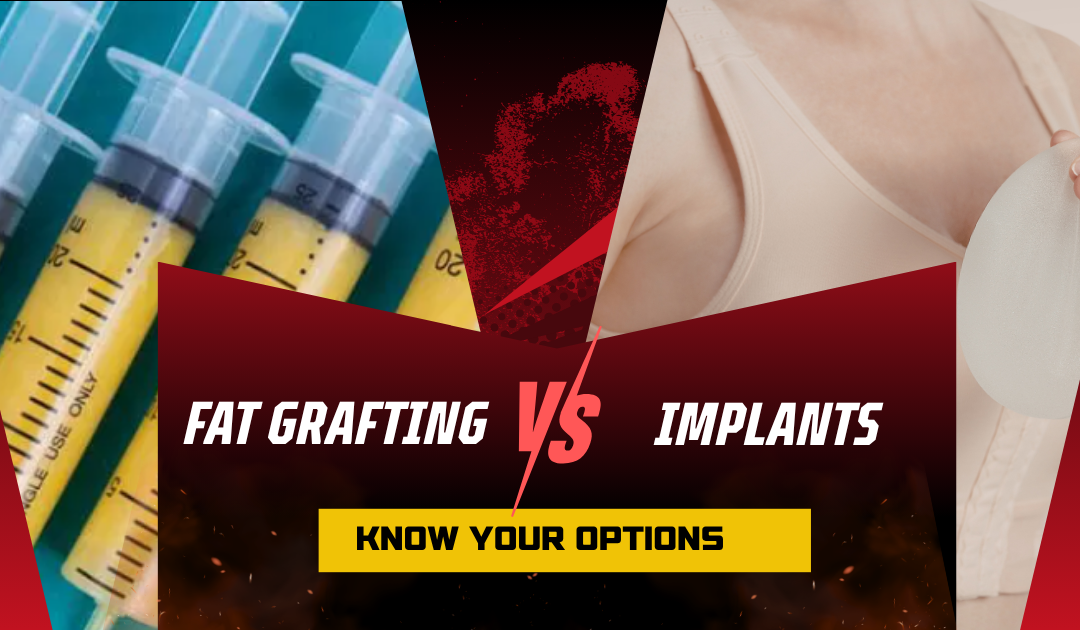
Fat Grafting vs Implants – Know your options
Fat Grafting vs Implants: Which Option Is Actually Right for You?
If you’re thinking about enhancing your shape, you’ve probably come across two main options: fat grafting and implants.
And naturally, the question becomes — which one is better?
The honest answer is that neither is better across the board.
They’re completely different approaches designed for different goals, body types, and expectations.
What matters is understanding what each option can realistically do for you — and where patients tend to get this wrong.
The biggest misconception: they give the same kind of results
This is where most confusion starts.
Patients often assume fat grafting is just a more natural version of implants, or that implants are simply a more dramatic version of fat grafting.
But that’s not how it works.
These procedures create very different outcomes — not just in size, but in shape, feel, longevity, and limitations.
What fat grafting actually does and where patients misunderstand it
Fat grafting uses your own fat, usually taken from areas like the abdomen, flanks, or back, and transfers it to another area such as the buttocks or breasts.
This option is often appealing because it uses your own tissue and can create a softer, more natural-looking result.
What fat grafting does well
- Creates softer, more natural-looking enhancement
- Improves contour in multiple areas
- Enhances your existing shape rather than forcing a dramatic change
Where patients get it wrong
- Expecting dramatic volume without enough fat available
- Assuming all transferred fat will survive
- Believing it can completely reshape the body no matter the starting point
In reality, fat grafting works best when you have enough fat available, want enhancement rather than extreme change, and understand that some of the transferred fat will naturally be reabsorbed.
What implants actually do and how they differ
Implants are designed to add volume directly, without depending on your body’s fat supply.
For some patients, that makes them the more practical choice.
What implants do well
- Provide more predictable volume
- Create more noticeable or structured changes
- Work for patients who do not have enough fat for transfer
Where patients get it wrong
- Expecting them to feel completely natural
- Not understanding long-term maintenance
- Choosing size based on appearance alone instead of proportion
Implants are often the better option when you want a more defined increase in size or do not have enough fat for grafting.
How to decide between fat grafting and implants
In practice, the choice usually comes down to three things: your body, your goals, and your expectations.
1. Your body type
Do you have enough fat available for transfer? How your body stores fat matters more than many patients realize.
2. Your goals
If you want subtle, natural enhancement, fat grafting may be the better fit. If you want more volume and projection, implants may make more sense.
3. Your expectations
Fat grafting comes with some variability because not all transferred fat survives. Implants tend to offer more predictable volume, but they come with long-term considerations of their own.
What most patients do not think about
This is where real decision-making happens.
Fat grafting depends on your body. Not all of the fat survives, and results can vary.
Implants are a long-term commitment. They may require monitoring and, in some cases, replacement over time.
In some situations, a combination approach may be considered to balance structure and softness — but that depends entirely on the individual.
So which option is actually right for you?
There is no universal answer.
The right choice depends on your anatomy, your goals, and what kind of result actually makes sense for your body.
What matters most is having a clear, honest evaluation before making that decision.
Final thoughts
Both fat grafting and implants can deliver strong results when used in the right situation.
Problems usually happen when the wrong procedure is chosen, expectations do not match reality, or decisions are made based on trends instead of what actually fits your body.
The goal is not just enhancement. It is choosing the option that makes sense for your body, your goals, and your long-term result.
Frequently Asked Questions
Is fat grafting safer than implants?
They are different procedures with different considerations. The better option depends on your anatomy, medical history, and goals.
Does fat grafting look more natural than implants?
In many cases, fat grafting can create a softer and more natural-looking result, but it also depends on how much fat is available and what kind of enhancement you want.
Are implants better if I do not have enough fat?
Often, yes. If you do not have enough fat for transfer, implants may be the more practical way to achieve your desired volume.
Can fat grafting and implants be combined?
In some cases, a combination approach may be appropriate. That depends on your goals, your anatomy, and what your surgeon believes will produce the best outcome.
How do I know which option is right for me?
The best way to know is through a proper evaluation that takes your body type, available fat, goals, and expectations into account.
Uncategorized
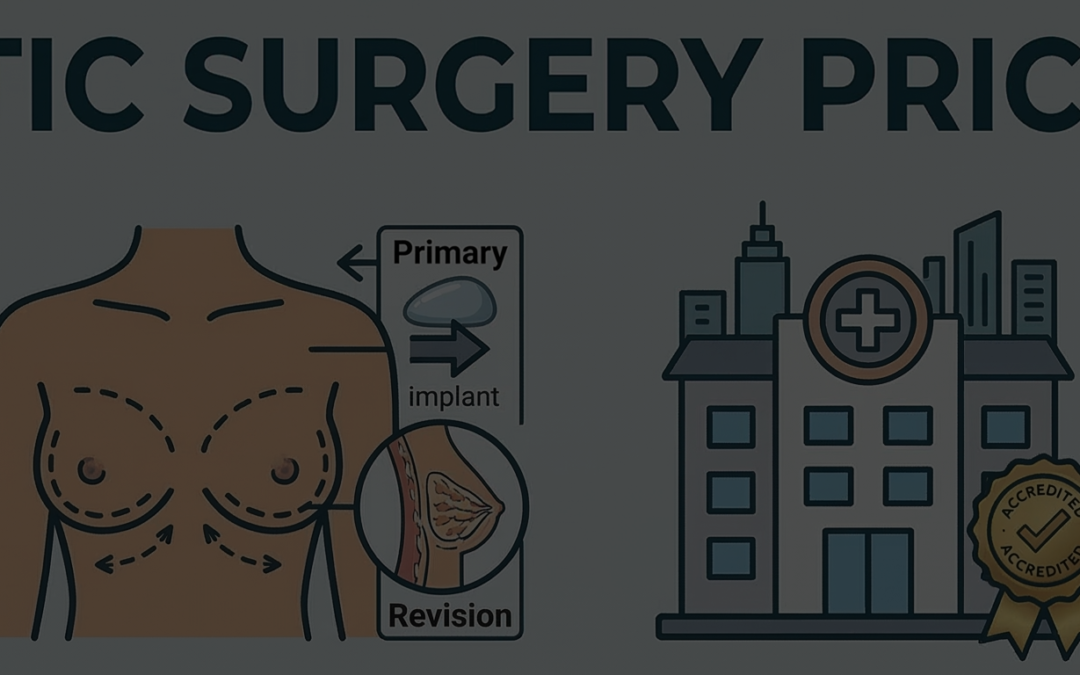
| Why Plastic Surgery Pricing Varies And Why Results Matter More Than Price
Why is plastic surgery expensive? Plastic surgery costs reflect surgeon expertise, accredited surgical facilities, anesthesia providers, advanced surgical equipment, strict patient screening, and comprehensive post-operative care. These factors help protect patient safety, reduce complications, and produce long-lasting aesthetic results.
One of the most common questions patients ask is simple:
“Why does plastic surgery cost so much more at some practices than others?”
It’s a fair question — and an important one.
Plastic surgery is not a standardized product. Two surgeons may offer the same procedure name, but what happens behind the scenes — and the results you receive — can be dramatically different.
This guide explains why plastic surgery prices vary, what factors truly influence cost, and why choosing results, safety, and experience over price is one of the most important decisions you can make. |
|
Why There Is No Standard Price for Plastic Surgery
Unlike many medical services, plastic surgery is highly individualized.
Pricing can vary based on several important factors, including:
- Surgeon training and experience
- Facility accreditation and standards
- Anesthesia providers
- Surgical technique
- Length and complexity of surgery
- Post-operative care and follow-up
That is one of the main reasons plastic surgery prices vary so much from one practice to another.
A lower price does not automatically mean better value — and a higher price is rarely arbitrary.
What You’re Really Paying For
When you receive a surgical quote, you are not paying for a single event.
You are paying for an entire system of care that includes:
- Pre-operative evaluation and surgical planning
- Surgeon expertise and clinical judgment
- Operating room time
- Board-certified anesthesia providers
- Specialized surgical staff
- Advanced surgical equipment and safety systems
- Recovery monitoring
- Post-operative care and follow-up visits
Each of these components contributes directly to both safety and final results.
Why Some Plastic Surgery Practices Charge Less
Some practices are able to offer significantly lower prices because they operate with lower overhead.
This may include:
- Non-accredited facilities
- Limited anesthesia support
- Smaller or less experienced surgical teams
- Minimal post-operative monitoring
- High-volume scheduling with multiple surgeries per day
Lower overhead can reduce costs — but it can also increase risk.
The Hidden Cost of Inexperience
Revision surgery is often far more complex than the original procedure.
Patients who choose surgery primarily based on price often underestimate the true cost of complications or unsatisfactory results.
Revision surgery can involve:
- Additional surgical fees
- More recovery time
- Emotional stress and disappointment
- Lost time from work and family
Choosing the right surgeon the first time often prevents these outcomes.
Why Experienced Plastic Surgeons Charge More
Higher surgical fees often reflect years — sometimes decades — of experience and specialized training.
Premium pricing may reflect:
- Extensive surgical training
- High procedural volume and expertise
- Advanced surgical techniques
- Consistent and reproducible results
- Lower complication rates
- Comprehensive patient support
Experience reduces uncertainty — and in surgery, uncertainty is risk.
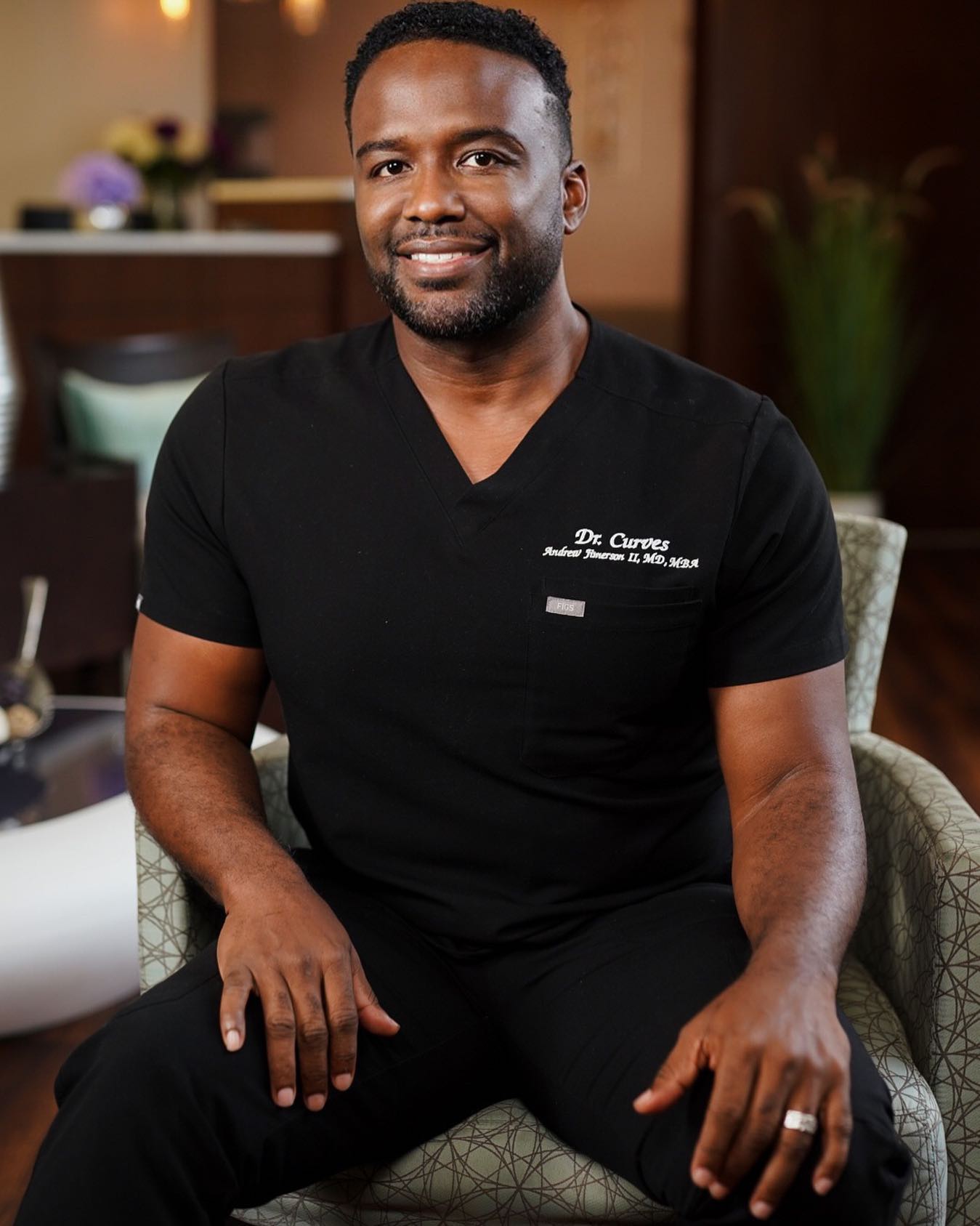
What You’re Paying For at Dr. Curves
Patients who choose Dr. Curves are investing in a comprehensive surgical experience that includes:
- Over 20 years of surgical experience
- Board certification in plastic surgery
- A high-volume specialty practice
- An accredited surgical facility
- Board-certified anesthesia providers
- A highly trained surgical team
- Advanced safety protocols
- Long-term patient support and follow-up care
This level of care requires significant expertise, staffing, and infrastructure — and it cannot be replicated at discount pricing.
Why Cheap and Excellent Rarely Coexist in Surgery
In many areas of life, price differences reflect differences in quality.
Plastic surgery is no exception.
This is not about luxury.
It is about:
- Skill
- Precision
- Judgment
- Safety
- Long-term results
You only get one body.
Results vs Price: The Long-Term View
A well-performed surgery usually means:
- One procedure
- One recovery
- One investment
- Long-lasting results
A poorly performed surgery can lead to:
- Multiple procedures
- Extended recovery periods
- Higher overall cost
- Long-term dissatisfaction
When viewed over time, choosing experience often becomes the most cost-effective decision.
Financing Makes High-Quality Care More Accessible
Financing does not reduce the value of surgery.
It allows patients to prioritize quality, safety, and long-term results without feeling forced to compromise based on timing alone.
Many patients prefer financing because it allows them to:
- Choose the right surgeon
- Avoid compromising on safety
- Spread payments over time
- Move forward when the timing is right
Buy Now, Pay Later with Cherry
One financing option available through our office is Cherry, which offers a flexible buy now, pay later structure for qualified patients.
Key Cherry benefits may include:
- No hard credit checks
- 0% APR options available for qualified applicants
- Interest-bearing plans with APRs as low as 5.99%
- Approvals up to $50,000
- No hidden fees
Cherry can be a smart option for patients who want to move forward without delaying their goals simply because they prefer flexible monthly payments.
Click here to learn more about Cherry payment plans.
Additional Financing Options
In addition to Cherry, our practice also offers other financing solutions for patients who want flexibility when planning surgery.
You can review additional options here:
View all financing options
Financing allows patients to focus on choosing the safest and most experienced team — not just the lowest price.
How to Know If You’re a Good Candidate
Before surgery, our team evaluates several important factors, including:
- Medical history
- Body composition
- Surgical goals
- Recovery readiness
- Overall safety and candidacy
This helps ensure that patients move forward with realistic expectations and a plan that prioritizes both safety and results.
Final Thoughts
Plastic surgery is not a commodity.
It is a medical procedure that requires expertise, judgment, and accountability.
When you choose a surgeon, you are choosing the outcome — not just the price.
Taking the time to research properly can make the difference between a smooth, successful experience and years of regret.
Ready to Explore Your Options?
If you’re considering plastic surgery and want to discuss your goals, options, and candidacy, our team is here to guide you.
During your consultation, we will discuss:
- Your goals
- Procedure options
- Recovery expectations
- Safety considerations
- Pricing and financing
Book Your Consultation
Frequently Asked Questions
Why is plastic surgery expensive?
Plastic surgery costs reflect surgeon expertise, accredited surgical facilities, anesthesia providers, advanced equipment, strict screening, and post-operative care. These factors are critical for safety and long-term results.
Why do plastic surgery prices vary so much?
Prices vary because surgeons differ in experience, facility standards, anesthesia teams, surgical techniques, and aftercare systems.
Does a higher price mean a better plastic surgeon?
Not always, but experienced surgeons with accredited facilities and strong safety protocols often charge more because they provide a higher level of care and consistency.
Can I finance plastic surgery?
Yes. Many patients use financing to make high-quality surgical care more accessible while preserving flexibility.
What is Cherry financing?
Cherry is a buy now, pay later financing option that may offer no hard credit checks, 0% APR options for qualified applicants, approvals up to $50,000, and no hidden fees.
So, What’s the Next Step?
It all starts with a consultation.
Whether you’re thinking about implants, fat transfer, a lift—or just have questions—we’re here to guide you through it all. You don’t need to have it all figured out yet. We’ll help you decide what works for your body and your goals. |
Call us at (678) 205-8400
Click below to book your consultation
Book Appointment
|