Select Page
How Long Do You Need to Wear Compression Garments After Plastic Surgery?

How Long Do You Need to Wear Compression Garments After Plastic Surgery?


How Long Do You Need to Wear Compression Garments After Plastic Surgery?

One of the most underestimated parts of recovery is also one of the most important: compression garments.

Most patients focus on the surgery itself, but what happens after—especially how consistently you wear your garment—can directly affect how your results look and settle.

Why Compression Matters

Compression helps reduce swelling, support tissue healing, improve contour smoothness, and lower the risk of fluid buildup.

The General Timeline

Weeks 1–2: Full-time wear.

Weeks 3–6: Continued consistent wear.

After 6 weeks: Gradual reduction if cleared.

Common Mistakes

Stopping too early or wearing garments inconsistently can affect final results.

FAQ

  1. How long do I need to wear compression after plastic surgery?
  2. Can I take my garment off for a few hours?
  3. What happens if I stop wearing it too soon?
  4. Why does my garment feel tighter over time?
  5. Can I switch to a different garment?

When Can You Start Exercising After Plastic Surgery?

When Can You Start Exercising After Plastic Surgery?

When Can You Start Exercising After Plastic Surgery?

Patients almost always ask this at some point—usually sooner than they should: ā€œWhen can I work out again?ā€

It’s a fair question. Movement feels like progress. Exercise feels like control. But after plastic surgery, timing matters more than motivation.

Starting too early is one of the fastest ways to slow your recovery—or compromise your results.

Why Exercise Timing Matters More Than You Think

Plastic surgery isn’t just skin-level.

Even when everything looks healed on the outside, your body is still repairing deeper tissues underneath. Muscles, fat layers, and internal structures all need time to stabilize.

Exercising too soon can increase swelling, disrupt internal healing, lead to fluid buildup such as seromas, and affect your final shape and contour.

This is why your surgeon doesn’t clear you based on how you feel—they clear you based on how your body is actually healing.

The General Recovery Timeline (With Context)

Every patient heals differently, but here’s a realistic guideline:

Week 1–2

Rest is the priority. Short, light walks only to support circulation.

Week 2–4

You can move more, but still no workouts. Your body is actively healing.

Week 4–6

Light, low-impact activity may be introduced gradually.

After 6 Weeks

A slow return to regular workouts may be appropriate, depending on your procedure and your progress.

Procedures like BBL, tummy tuck, and breast surgery often require stricter timelines and more caution.

The Biggest Mistake Patients Make

They assume they’re ready because they feel better.

Less pain does not mean fully healed.

Most of the healing that matters is happening beneath the surface—and you can’t see it.

What You Should Be Watching Instead

Instead of relying on how you feel, pay attention to swelling continuing to go down, incisions healing properly, no signs of fluid buildup, and clearance from your surgeon.

These are the real indicators that your body is ready.

A Smarter Approach to Getting Back

The best results come from patience.

Start slower than you think you need to. Avoid ā€œtestingā€ your body too early. Increase intensity gradually over time.

Remember: you’re not losing progress—you’re protecting your outcome.

FAQ

  1. Can I do cardio after 2 weeks? Light walking is usually fine, but structured cardio is typically introduced later depending on healing.
  2. When can I lift weights again? Most patients wait at least 4–6 weeks, sometimes longer depending on the procedure.
  3. What happens if I exercise too soon? You risk swelling, complications, delayed healing, and potentially affecting your final results.
  4. Does the type of surgery change the timeline? Yes. Procedures like tummy tuck and BBL often require more restrictions than smaller procedures.
  5. How do I know I’m ready? Your surgeon’s clearance is the most reliable indicator—not how you feel.

Final Thought

It’s normal to want to get back to your routine quickly. But after surgery, the goal isn’t speed—it’s healing the right way.

Give your body the time it needs now, so you can enjoy your results long-term.

Difference Between Diastasis Recti and Belly Fat

Difference Between Diastasis Recti and Belly Fat

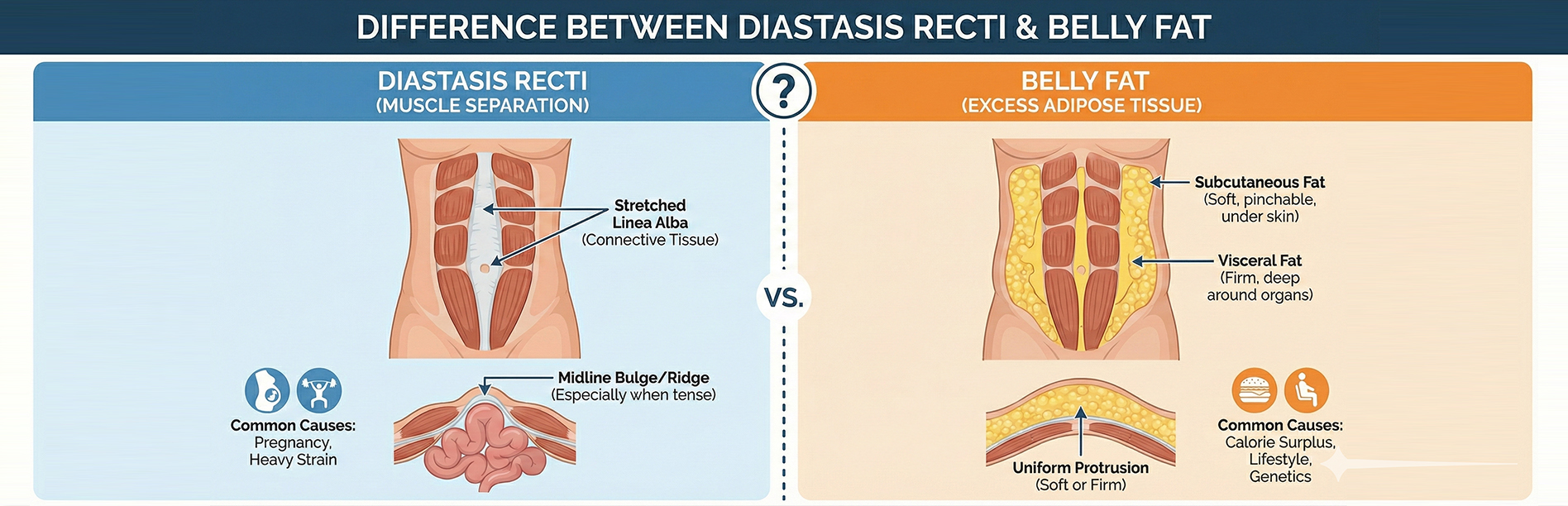
How to Tell the Difference Between Diastasis Recti and Belly Fat

One of the most common questions women ask me after pregnancy is, ā€œWhy does my stomach still look round even though I’ve lost the weight?ā€ Many assume they’re dealing with stubborn belly fat, only to discover that the issue is actually something else — diastasis recti, a separation of the abdominal muscles that can mimic the appearance of fat but behaves very differently.

Understanding the difference is important not just for cosmetic reasons, but for your comfort, posture, strength, and long-term well-being. Let’s walk through how to distinguish one from the other — in clear, patient-friendly language — and what your options are if you’re struggling with a postpartum belly that doesn’t feel like yours anymore.

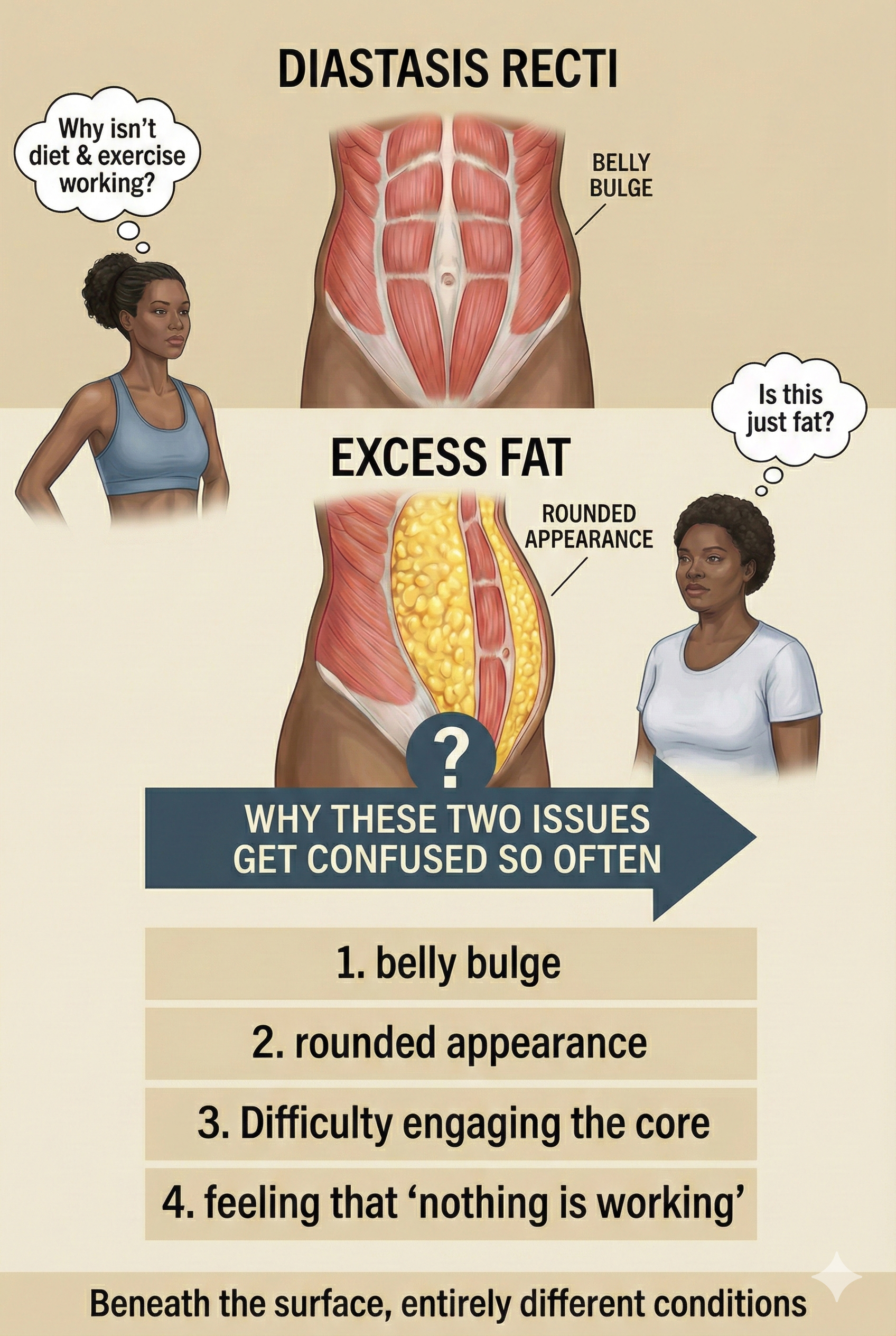
Why These Two Issues Get Confused So Often

After pregnancy, weight changes, stretched skin, and hormonal shifts can all affect the abdomen. This makes it easy for diastasis recti to be mistaken for excess fat. Both can create:

  • A belly bulge
  • A rounded appearance
  • Difficulty engaging the core
  • A feeling that ā€œnothing is workingā€ despite diet and exercise

But beneath the surface, they are entirely different conditions.


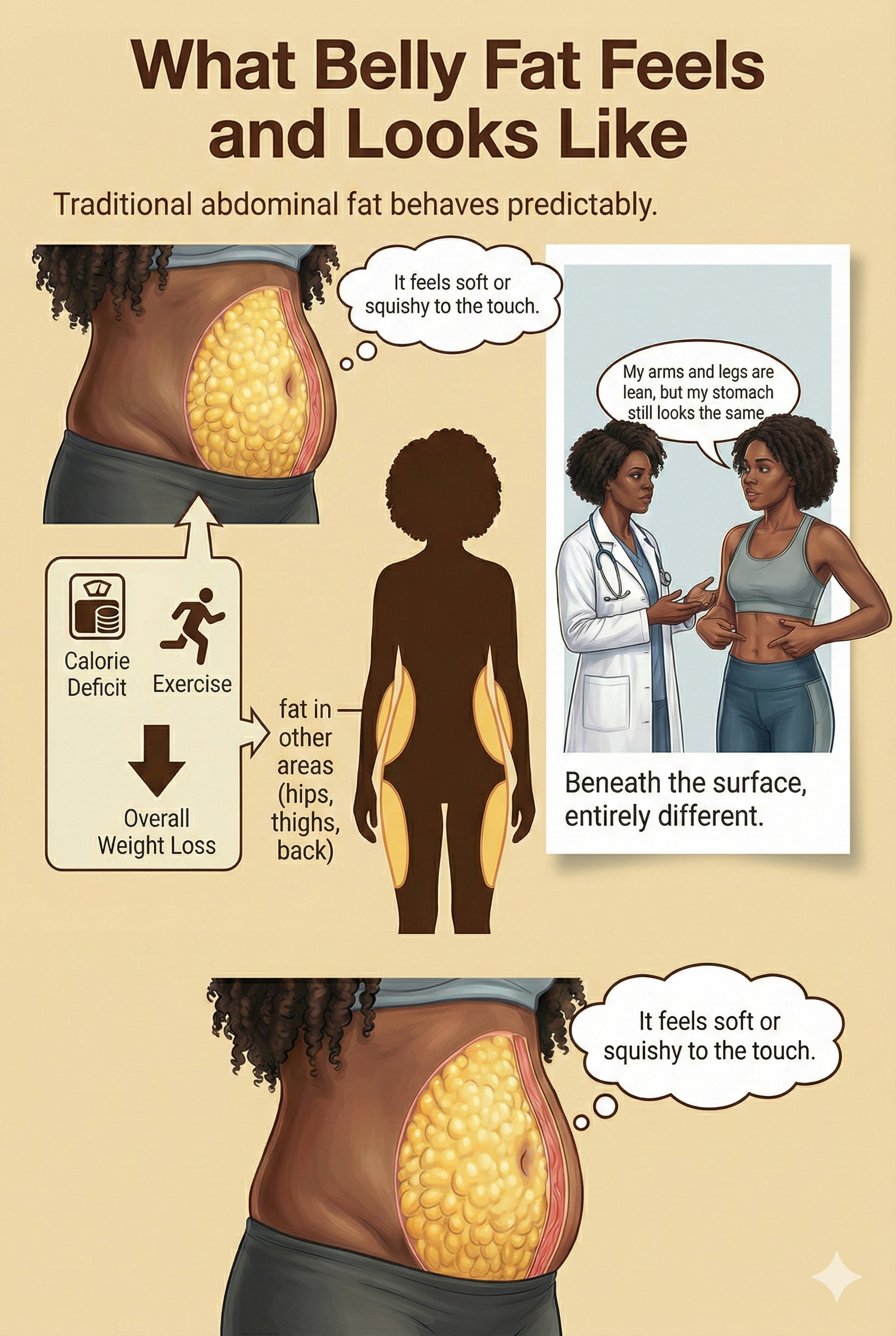
What Belly Fat Feels and Looks Like

Traditional abdominal fat behaves predictably:

  • It feels soft or squishy to the touch
  • It responds to calorie deficit, exercise, and overall weight loss
  • It’s evenly distributed across the stomach area
  • It often accompanies fat in other areas (hips, thighs, back)

If you change your diet, increase your activity level, or lose weight overall, you will typically see a reduction in belly fat right along with it.

When a patient tells me, ā€œMy arms and legs are lean, but my stomach still looks the same,ā€ that’s often my first clue that fat isn’t the issue.


What Diastasis Recti Feels and Looks Like

Diastasis recti has a very distinct presentation, even though it can resemble fat on the surface.

Common signs include:

  • A vertical bulge or ā€œridgeā€ down the midline
  • A belly that still looks pregnant months or years postpartum
  • A dome shape when sitting up or crunching
  • A sensation of weakness or instability in the core
  • Difficulty flattening the stomach even at a healthy body weight

This happens because the two sides of the abdominal muscles have separated, leaving weakened connective tissue in between. When the muscles aren’t working together, the stomach can protrude forward — even when there’s very little fat present.

Many women tell me, ā€œI can feel the separation with my fingers,ā€ or ā€œMy stomach collapses inward when I press on it.ā€ These are classic signs of muscle separation, not fat.


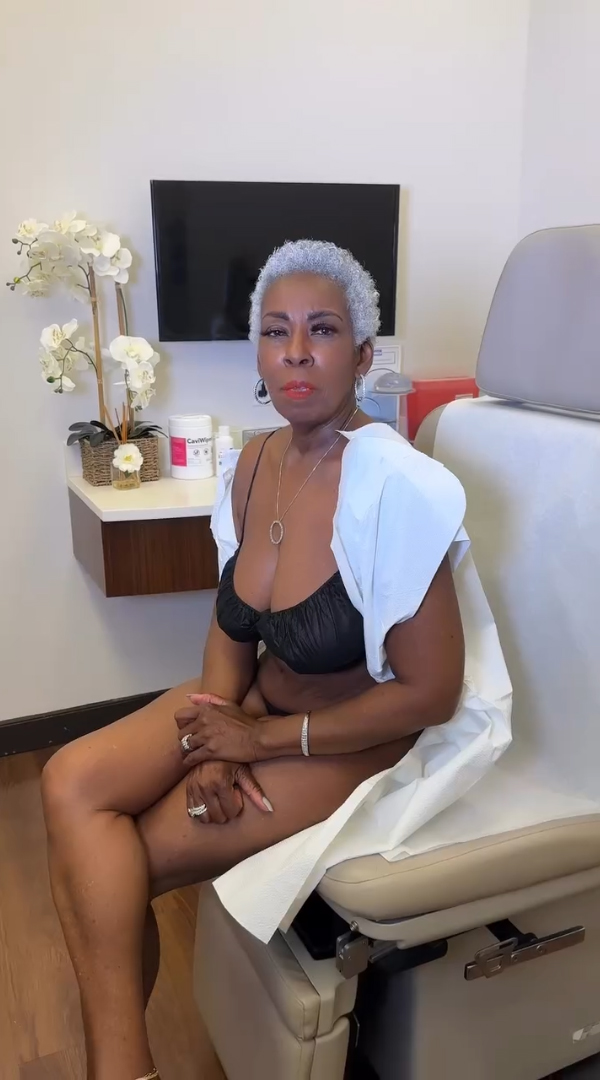
Is 70 Too Old for Plastic Surgery? The Truth šŸ’”

One of the most common questions we hear: ā€œAm I too old for surgery?ā€

Here’s the truth: age isn’t the dealbreaker — health is.

If you’re medically cleared, your body can handle procedures like a tummy tuck or Lipo 360 safely. In fact, many patients in their 60s, 70s, and beyond experience life-changing results because they finally choose themselves.


Confidence doesn’t expire

Transformation has no age limit

It’s never too late to feel amazing

Life After Surgery: Confidence Reborn

Three months post-op, our patient isn’t just enjoying her results — she’s living differently:

  • No more hiding in oversized clothes.
  • No more tugging at her waistline.
  • No more wishing her reflection was different.

Instead, she’s embracing style, freedom, and joy every single day.

This isn’t just a body transformation. It’s a lifestyle shift.


So, What’s the Next Step?

It all starts with a consultation.
Whether you’re thinking about implants, fat transfer, a lift—or just have questions—we’re here to guide you through it all. You don’t need to have it all figured out yet. We’ll help you decide what works for your body and your goals.

Call us at (678) 205-8400

Click below to book your consultation

Book Appointment

How Long Do You Need to Sleep on Your Back After Plastic Surgery?

How Long Do You Need to Sleep on Your Back After Plastic Surgery?

How Long Do You Need to Sleep on Your Back After Plastic Surgery?

One of the most common recovery mistakes is assuming that once you feel better, you can sleep however you want.

That is not always true.

For many plastic surgery patients, sleeping position matters longer than expected. The reason is simple: pressure, twisting, and tension can affect swelling, comfort, incision healing, and in some procedures, even the shape of the result.

This is where patients often get frustrated. They are sore, tired, and not sleeping well. After a few nights, they start wondering whether the sleeping restrictions are really necessary or whether they can go back to side sleeping sooner.

In most cases, the answer depends on the procedure, how much tension is on the tissues, and what your surgeon specifically wants to protect during early healing.

Why sleeping position matters after plastic surgery

Plastic surgery recovery is not just about rest. It is also about protecting healing tissues.

When you sleep in the wrong position too soon, several things can happen. You may place pressure on incisions, increase swelling in certain areas, feel more pain the next morning, or create stress on tissues that are still settling. In some procedures, that pressure can work against the recovery plan your surgeon gave you.

Patients sometimes think sleeping position is just a comfort issue. It is not. Early on, it is part of protecting the surgical result.

The short answer

For many procedures, back sleeping is recommended during the early part of recovery. For some patients, that may be around a couple of weeks. For others, especially after body contouring or breast procedures, it may be longer.

What matters most is not guessing based on how you feel. What matters is the procedure you had, the areas treated, and your surgeon’s instructions.

Why patients want to switch positions too early

Most people are not naturally comfortable sleeping on their back for days or weeks.

After surgery, patients often become restless. They may feel stiff, wake up often, or assume that because bruising is getting better, they are safe to roll onto their side. That is where good judgment matters. Recovery discomfort improving does not always mean the tissues are ready for unrestricted pressure.

This is one of the most common misunderstandings in plastic surgery recovery: feeling better and being fully ready are not the same thing.

Procedure-specific guidance

After breast augmentation or breast lift

Back sleeping is commonly recommended early in recovery to avoid pressure on the breasts and unnecessary tension on healing tissues.

Patients sometimes want to turn onto their side because their back feels sore. But side sleeping too early can increase discomfort, add pressure, and make healing less comfortable. It can also be unsettling for patients who are already worried about position, tightness, or asymmetry during the early phase.

After tummy tuck

Sleeping flat usually is not comfortable early on after a tummy tuck. Many patients are advised to sleep on their back with the upper body elevated and the hips or knees slightly bent to reduce tension on the abdomen.

This matters because the abdominal tissues are healing under tension. Trying to straighten too quickly or sleeping in a position that stretches the area can make recovery more uncomfortable.

After liposuction

Back sleeping is often still part of the recovery plan, but the details depend on where liposuction was done. If the treated area is exposed to pressure while you sleep, that can add soreness and swelling. Patients recovering from liposuction often do better when they think in terms of protecting treated areas, not just choosing the most comfortable position.

After BBL

This is one of the procedures where sleeping position gets the most attention. Patients are often told to avoid direct pressure on the buttocks during early healing. That means positioning becomes especially important at night.

Because recommendations vary based on technique and surgeon protocol, patients should follow their own post-op instructions closely rather than relying on general internet advice.

A common patient mistake

A lot of patients treat sleep instructions like suggestions instead of recovery rules.

They think, ā€œIt was only for one night,ā€ or ā€œI only rolled onto my side for part of the night.ā€ But recovery is usually about consistency, not perfection once in a while. Repeated pressure or repeated twisting can matter more than patients realize.

That does not mean you need to panic if you shift in your sleep once. It does mean that your setup should be designed to make the correct position easier to maintain.

How to make back sleeping easier

This is where preparation helps.

Many patients do better when they create a more supported sleep setup instead of trying to force themselves to stay flat with no support. Depending on the procedure, that may mean extra pillows, a wedge pillow, support under the knees, or a reclined position that reduces tension and makes staying in place easier.

The goal is not perfect sleep. The goal is safer, more manageable recovery sleep.

When you can stop sleeping on your back

This is the question patients really want answered, but there is no single timeline that fits every surgery.

The better way to think about it is this: when your surgeon is comfortable that pressure, twisting, or stretch will not interfere with healing, you may be cleared to return to more normal sleep positions.

That timeline may be shorter for some procedures and longer for others. If multiple procedures were combined, restrictions may last longer. If swelling, tenderness, or tension are still significant, that usually matters too.

What not to do

Do not use pain alone as your guide.

Some patients assume that if side sleeping does not hurt much, it must be fine. Others assume that because they are sleeping poorly, the instructions are optional. Neither is a good recovery strategy.

Comfort matters, but protection matters more in the early phase.

What to ask instead

If you are unsure, ask more specific questions:

Which sleeping positions are safe for my procedure? What area are we trying to protect? What signs mean I am not ready to change positions yet? If I combine procedures, which restriction matters most?

Those questions are more useful than asking the internet what is ā€œnormal.ā€

Bottom line

For many plastic surgery patients, sleeping on the back is not just about comfort. It is part of protecting swelling, incisions, tissue tension, and early healing.

The timeline depends on the procedure and your surgeon’s plan. Feeling better does not automatically mean you are ready to sleep any way you want. In the early phase, protecting the result is usually more important than chasing perfect comfort.

If you are ever unsure, your own surgeon’s instructions should outweigh general advice.

FAQ

  1. How long do you need to sleep on your back after plastic surgery?
    It depends on the procedure and your surgeon’s instructions. Many patients need to back sleep during the early phase of recovery to protect healing tissues.
  2. Can I sleep on my side after breast surgery?
    Not always right away. Side sleeping too early can place pressure on healing tissues and make recovery less comfortable.
  3. Why is back sleeping important after a tummy tuck?
    It helps reduce tension on the abdomen, especially early on when the tissues are healing and tightness is common.
  4. What if I accidentally roll over in my sleep?
    One accidental shift is not usually a reason to panic, but your sleep setup should help you maintain the recommended position as consistently as possible.
  5. Should I follow internet advice or my surgeon’s advice?
    Your surgeon’s advice. Procedure details and recovery protocols vary, so your own instructions matter most.

How to Know If You’re Actually a Good Candidate for Plastic Surgery

How to Know If You’re Actually a Good Candidate for Plastic Surgery

How to Know If You’re Actually a Good Candidate for Plastic Surgery

Most people think if they want a procedure, they’re a candidate for it. That’s not how this works.

In my experience, the best results come from patients who are actually a good fit for the procedure—physically, mentally, and realistically.

It’s Not Just About Wanting It

Candidacy comes down to safety, whether the procedure makes sense for your body, and whether it can realistically achieve your goals.

Physical Candidacy Matters

Not every procedure works for every body. Requirements like tissue availability, skin quality, and overall health play a major role.

Your Expectations Have to Be Realistic

Expectations based on edited images or different body types often lead to disappointment, even when surgery is done well.

Timing Can Affect Your Results

Weight changes, pregnancy, or unstable health can impact your outcome. Timing matters more than most people think.

Final Thoughts

The goal is not just to have surgery. It’s to have the right surgery, at the right time, for the right reasons.

Frequently Asked Questions

  1. How do I know if I qualify for plastic surgery?

    A consultation is needed to evaluate your health, anatomy, and goals.

  2. Can I still have surgery if I’m not at my goal weight?

    Stable weight usually leads to better and more predictable results.

  3. What if I don’t qualify right now?

    It often means not yet, not never.

  4. Can I choose any result I want?

    No. Results must align with your anatomy and what is safely achievable.

  5. What matters more—wanting it or being a good candidate?

    Being a good candidate always comes first.