Why Having a Caregiver After Plastic Surgery Is So Important
One of the things patients tend to focus on most before surgery is the procedure itself, which makes sense. They are thinking about the result, the recovery time, and how soon they will feel like themselves again.
What many patients do not think through enough is who will be helping them once they get home.
After more than 20 years in practice and thousands of patient transformations, I can tell you this clearly: having the right caregiver after plastic surgery can make a major difference in how smoothly your recovery goes.
This is not just about convenience. It is about safety, comfort, and giving your body the support it needs in those first critical days after surgery.
Why a Caregiver Matters More Than Patients Expect
A lot of patients assume they will be able to rest and manage on their own once the procedure is over. In reality, the first part of recovery is often when you are most uncomfortable, most tired, and not thinking as clearly as usual.
Even simple things can feel harder than expected, including getting in and out of bed, walking around comfortably, staying on schedule with medications, keeping up with fluids and meals, remembering instructions, and avoiding too much movement too soon.
That is where a caregiver becomes incredibly important. A good caregiver helps you stay safe, keeps you supported, and makes recovery much less stressful.
It Is Not Just About Having Someone There
This is where many patients get it wrong. They think, as long as someone drops me off at home, I will be fine.
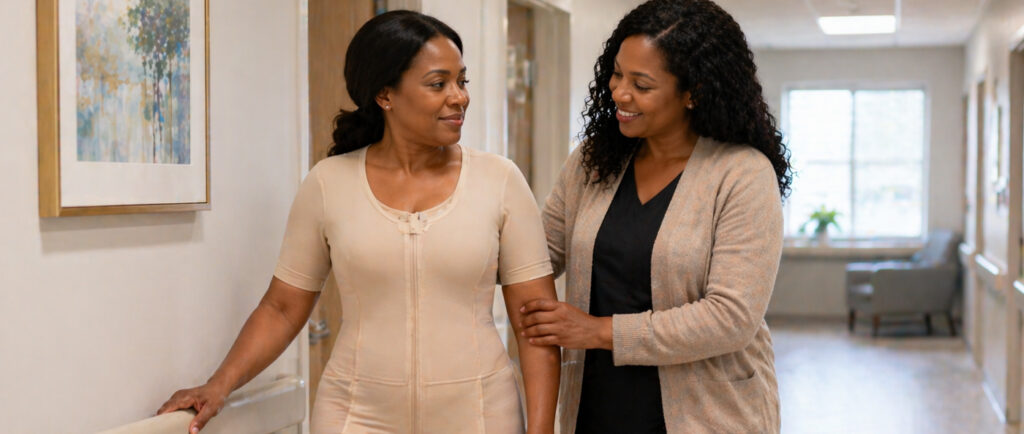
But the right caregiver does much more than that. They help you settle in. They make sure you are not overdoing it. They help you stay comfortable. They can assist with basic tasks when you are sore, swollen, or limited in your movement. And just as importantly, they give you peace of mind.
That matters more than people realize. Recovery can feel vulnerable. Even strong, independent patients can have moments where they feel overwhelmed, emotional, or physically drained. Having someone calm, dependable, and present can make that experience much easier.
What I Tell My Patients
I always want my patients to understand that recovery is part of the procedure. A beautiful result is not only about what happens in the operating room. It is also about how well you heal afterward.
That means following instructions, resting properly, staying hydrated, walking when appropriate, taking medications correctly, and avoiding unnecessary strain on the body.
When a patient has a strong support system at home, they usually recover with less stress and better overall confidence in the process.
What Makes a Good Caregiver
Not every available person is the right person.
The best caregiver is someone who is reliable, patient, calm under pressure, willing to follow instructions, and genuinely available during the early recovery period.
They do not need medical training. They just need to be present, attentive, and supportive.
The wrong caregiver, on the other hand, can make recovery harder. If someone is distracted, impatient, dismissive, or not truly available, that can create more stress when you need the opposite.
One of the Biggest Mistakes Patients Make
One of the biggest mistakes patients make is underestimating the first few days after surgery.
They assume they will only need a ride home, when in reality they may need help with much more than that. Depending on the procedure, even getting comfortable, standing up, moving carefully, or keeping track of post-op instructions may be more difficult than expected at first.
This is especially true for patients having more involved body procedures, or for patients who live alone. Trying to do too much too early is never a good recovery plan.
Recovery Goes More Smoothly When You Plan Ahead
The patients who usually feel the most prepared are the ones who plan their recovery the same way they plan their surgery.
They think through who will stay with them, who will help them the first day or two, what their home setup looks like, what supplies they need nearby, and how they will rest without unnecessary movement or stress.
That kind of planning reduces anxiety and helps recovery feel much more manageable.
Frequently Asked Questions
- Do I really need a caregiver after plastic surgery?
In many cases, yes. Having a dependable person with you during the early part of recovery can help with safety, comfort, and following post-op instructions more closely.
- How long should someone stay with me after surgery?
That depends on the procedure and your recovery needs, but the first one to two days are often the most important for support.
- Can a friend be my caregiver, or does it need to be family?
A friend can absolutely help, as long as they are dependable, available, calm, and willing to follow your post-op instructions carefully.
- What if I live alone?
If you live alone, it is especially important to plan ahead and make sure you have real support in place before surgery, especially for the early recovery period.
- What makes someone a good caregiver after plastic surgery?
The best caregiver is someone who is reliable, patient, calm, attentive, and genuinely available to help you during the first part of recovery.
Final Thoughts
If you are planning plastic surgery, do not treat caregiver planning like a minor detail. It matters.
In my experience, patients recover better when they have the right help in place. They feel more supported, less overwhelmed, and better able to focus on healing.
Choosing your surgeon is one important decision. Choosing the right support during recovery is another.
If you are considering plastic surgery and want honest guidance on what recovery really looks like, schedule a consultation with Dr. Curves.