Select Page
Kold Killa’s Story: Watch an Exclusive Behind-the-Scenes Footage

Kold Killa’s Story: Watch an Exclusive Behind-the-Scenes Footage

Kold Killa’s Pre-Op Consultation: Clarity, Confidence, and Planning

By Dr. Andrew Jimerson (Dr. Curves)

When Kold Killa came in, her energy said it all. She was excited, ready, and very clear about what she wanted.

She’s a mom of two, and like many women after kids, she felt her body didn’t look the way it used to — and it didn’t feel like her anymore. She said it plainly: she wanted her stomach in, her hips out, and everything lifted back where it belongs.

What She Wanted to Fix

Her breasts felt heavy and low. She didn’t want to be oversized — she wanted them lifted, perky, and proportional, aiming for a natural C cup with cleavage.

Her stomach also bothered her, and even though she had a BBL in 2019, she still felt her shape lacked balance. She didn’t want to look square — she wanted hips and an evenly proportioned silhouette.

The Surgical Plan We Built

After evaluating her body and listening closely, we created a plan focused on balance, not exaggeration:

Breast reduction

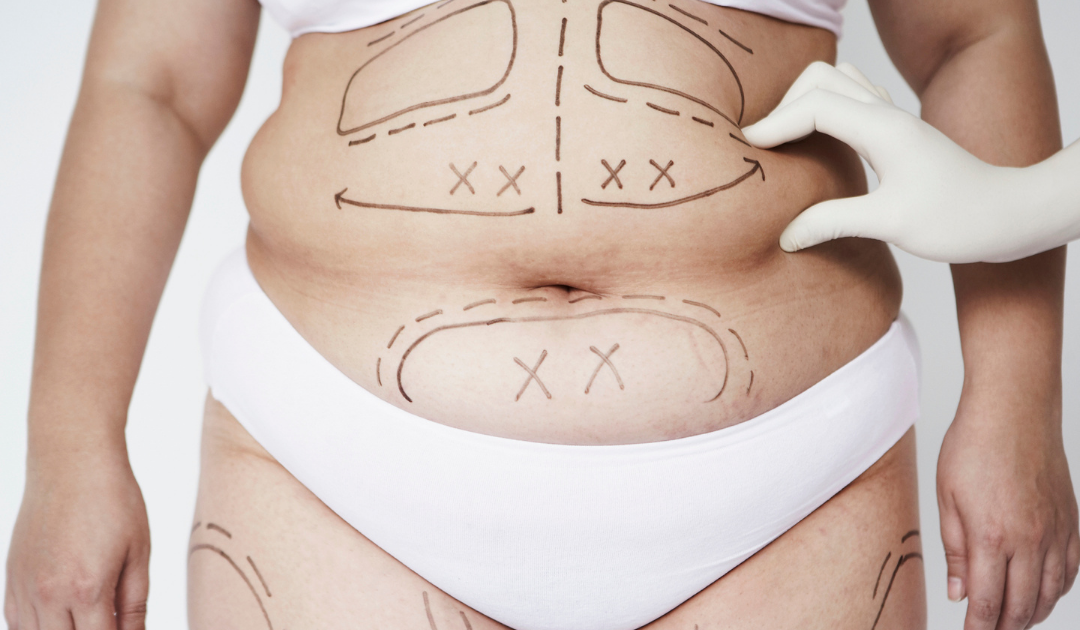
Lipo 360

Fat grafting to the butt & hips

This is why full 360-degree contouring matters: it creates a smoother, more natural result from every angle — not just the front.

Safety Comes First

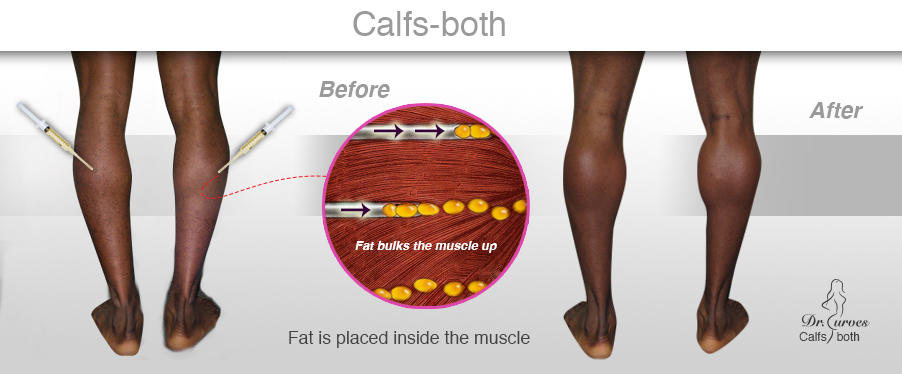
Every surgery carries risks, including pain, bleeding, infection, and in rare cases, more serious complications. We also discussed fat-related risks and how modern techniques place fat in the subcutaneous layer, not into the muscle, which improves safety. Healing varies, and scarring or numbness is possible.

Patients deserve honesty, clarity, and a plan that makes sense.

Why This Behind-the-Scenes Matters

This wasn’t about chasing extremes. It was about listening, creating balance, and helping a patient feel confident in her body again after kids. That’s always the goal.


Take the Next Step Toward Feeling Like Yourself Again

If this story feels familiar, a consultation is where it starts. We’ll review your goals, medical history, and concerns, then design a personalized plan focused on safe, natural results that fit your body and your life.

Click below to book your consultation

Book Appointment

Difference Between Diastasis Recti and Belly Fat

Difference Between Diastasis Recti and Belly Fat

How to Tell the Difference Between Diastasis Recti and Belly Fat

One of the most common questions women ask me after pregnancy is, “Why does my stomach still look round even though I’ve lost the weight?” Many assume they’re dealing with stubborn belly fat, only to discover that the issue is actually something else — diastasis recti, a separation of the abdominal muscles that can mimic the appearance of fat but behaves very differently.

Understanding the difference is important not just for cosmetic reasons, but for your comfort, posture, strength, and long-term well-being. Let’s walk through how to distinguish one from the other — in clear, patient-friendly language — and what your options are if you’re struggling with a postpartum belly that doesn’t feel like yours anymore.

Why These Two Issues Get Confused So Often

After pregnancy, weight changes, stretched skin, and hormonal shifts can all affect the abdomen. This makes it easy for diastasis recti to be mistaken for excess fat. Both can create:

  • A belly bulge
  • A rounded appearance
  • Difficulty engaging the core
  • A feeling that “nothing is working” despite diet and exercise

But beneath the surface, they are entirely different conditions.


What Belly Fat Feels and Looks Like

Traditional abdominal fat behaves predictably:

  • It feels soft or squishy to the touch
  • It responds to calorie deficit, exercise, and overall weight loss
  • It’s evenly distributed across the stomach area
  • It often accompanies fat in other areas (hips, thighs, back)

If you change your diet, increase your activity level, or lose weight overall, you will typically see a reduction in belly fat right along with it.

When a patient tells me, “My arms and legs are lean, but my stomach still looks the same,” that’s often my first clue that fat isn’t the issue.


What Diastasis Recti Feels and Looks Like

Diastasis recti has a very distinct presentation, even though it can resemble fat on the surface.

Common signs include:

  • A vertical bulge or “ridge” down the midline
  • A belly that still looks pregnant months or years postpartum
  • A dome shape when sitting up or crunching
  • A sensation of weakness or instability in the core
  • Difficulty flattening the stomach even at a healthy body weight

This happens because the two sides of the abdominal muscles have separated, leaving weakened connective tissue in between. When the muscles aren’t working together, the stomach can protrude forward — even when there’s very little fat present.

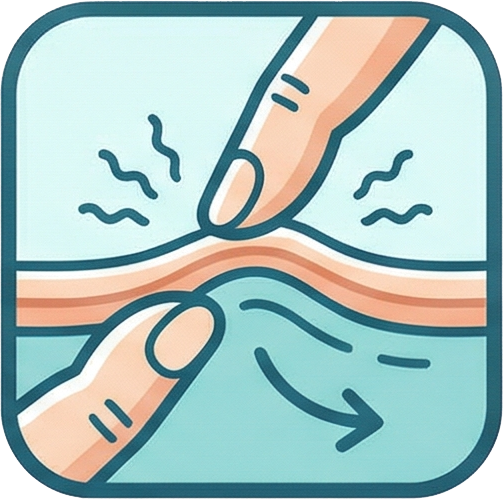
Many women tell me, “I can feel the separation with my fingers,” or “My stomach collapses inward when I press on it.” These are classic signs of muscle separation, not fat.


Is 70 Too Old for Plastic Surgery? The Truth 💡

One of the most common questions we hear: “Am I too old for surgery?”

Here’s the truth: age isn’t the dealbreaker — health is.

If you’re medically cleared, your body can handle procedures like a tummy tuck or Lipo 360 safely. In fact, many patients in their 60s, 70s, and beyond experience life-changing results because they finally choose themselves.


Confidence doesn’t expire

Transformation has no age limit

It’s never too late to feel amazing

Life After Surgery: Confidence Reborn

Three months post-op, our patient isn’t just enjoying her results — she’s living differently:

  • No more hiding in oversized clothes.
  • No more tugging at her waistline.
  • No more wishing her reflection was different.

Instead, she’s embracing style, freedom, and joy every single day.

This isn’t just a body transformation. It’s a lifestyle shift.


So, What’s the Next Step?

It all starts with a consultation.
Whether you’re thinking about implants, fat transfer, a lift—or just have questions—we’re here to guide you through it all. You don’t need to have it all figured out yet. We’ll help you decide what works for your body and your goals.

Call us at (678) 205-8400

Click below to book your consultation

Book Appointment

Difference Between Diastasis Recti and Belly Fat

When a Tummy Tuck Becomes the Best Solution for Diastasis Recti


Understanding When Surgery Truly Makes a Difference

Many women spend months — sometimes years — trying to strengthen their core after pregnancy. They do everything “right”: targeted exercises, physical therapy, breathing techniques, Pilates, nutrition. Yet their stomach still protrudes, their core still feels weak, and their midsection never quite returns to its pre-pregnancy shape.

At a certain point, many ask me the same question:
“How do I know if it’s time to consider a tummy tuck?”

The answer depends on the degree of your muscle separation, how it affects your daily life, and whether conservative treatments have reached their limit.

Here’s a clear, honest explanation of when a tummy tuck becomes the best, most effective solution for diastasis recti — and why it can be truly transformative.


What a Tummy Tuck Actually Fixes (Beyond What Exercise Can Do)

When diastasis recti is moderate to severe, the abdominal muscles have physically separated to a point where the connective tissue between them can no longer pull tight on its own.

A tummy tuck directly addresses this by:

  • Reconnecting the separated muscles
  • Repairing and reinforcing the overstretched tissue
  • Tightening the internal abdominal wall
  • Flattening the abdominal contour
  • Improving core stability from the inside out

This is not simply a cosmetic procedure. It is a structural repair — one that restores function, strength, and alignment. Many women tell me after surgery, “I didn’t realize how disconnected my body felt until I finally felt whole again.”


Signs That a Tummy Tuck May Be the Best Path Forward

If you recognize any of the following, surgery may be the most effective solution:

Your stomach still looks rounded even at a healthy weight

If the belly remains protruded despite fat loss, this is a classic sign of diastasis rather than fat.

You can feel a gap down the center of your abdomen

A noticeable separation — especially more than two finger-widths — often requires surgical repair.

Your core feels weak or unstable

Women describe feeling “unsupported,” struggling with posture, or noticing strain during daily activities.

Exercise isn’t helping (or makes the bulge more noticeable)

If your stomach domes during sit-ups or planks, the separation is being stressed, not strengthened

You experience back discomfort or poor posture

A weak core forces other muscle groups to compensate, creating chronic strain.

You’ve been told your diastasis is moderate or severe

Physical therapists and surgeons can often determine when the tissue has lost its elasticity and cannot self-correct.


Why Surgery Makes Such a Dramatic Difference

A tummy tuck with diastasis repair corrects the root issue, not just the appearance. When the muscles are restored to their proper alignment, women often experience:

  • A truly flat, supported abdomen
  • Better control and engagement of the core
  • Less strain on the back and pelvis
  • Improved posture
  • Smoother, more natural movement
  • Greater confidence in clothing
  • A renewed sense of physical connection

This is why so many women say the functional changes are just as meaningful as the aesthetic ones.


What You Can Expect From the Procedure

While each surgical plan is personalized, most repairs involve:

  1. Reuniting the rectus muscles at the midline
  2. Reinforcing the internal tissue for long-term support
  3. Removing excess skin if needed
  4. Refining the waist and abdominal contour

A tummy tuck allows the body to function the way it was meant to — strong, stable, and structurally aligned.

This isn’t simply about looking flatter.
It’s about restoring integrity to the core of your body.

When It’s Better to Wait

There are moments when I encourage women to postpone surgery:

If you plan to become pregnant again soon

If you’re still breastfeeding (hormones can affect tissues)

If your weight is still fluctuating

If your health or lifestyle requires optimization first


A Final Word From a Surgeon

If you’ve spent months feeling frustrated by a stomach that doesn’t respond to diet or exercise, it may be time to take a deeper look at what your body is telling you.

A tummy tuck isn’t a shortcut.
It’s a structural correction for a condition that cannot resolve on its own once it reaches a certain point.

You deserve clarity. You deserve comfort.
And if the right time comes, you deserve a core that supports you — inside and out.


So, What’s the Next Step?

It all starts with a consultation.
Whether you’re thinking about implants, fat transfer, a lift—or just have questions—we’re here to guide you through it all. You don’t need to have it all figured out yet. We’ll help you decide what works for your body and your goals.

Call us at (678) 205-8400

Click below to book your consultation

Book Appointment

The Truth About Semaglutide & Surgery

The Truth About Semaglutide & Surgery


How Medical Weight Loss Can Prepare You for Body Transformation

You’ve seen the viral results — but few talk about what Semaglutide really means for women preparing for life-changing body contouring surgery. At Dr. Curves, we use medical weight loss not just for shedding pounds — but for engineering the perfect surgical foundation.


What Is Semaglutide and Why It Matters Before Surgery

Semaglutide (Ozempic® / Wegovy®) is a GLP-1 medication that works by slowing digestion and curbing appetite allowing patients to safely lose up to 10–15% of their body weight

When guided by our medical team, this isn’t “dieting.” It’s preparation balancing your body’s hormones, reducing inflammation, and reaching an optimal BMI before your procedure


How It Supports Your Surgical Journey

Lower BMI = Safer Surgery

Less anesthesia risk, smoother contouring, and faster recovery

Better Healing

Stable blood sugar levels and adequate hydration improve tissue repair efficiency

Confidence Boost

Patients walk into surgery empowered — already seeing transformation.


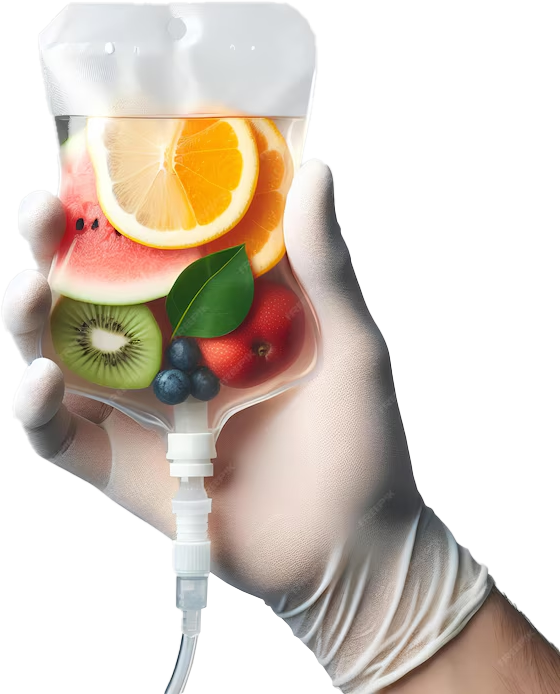
Dr. Curves’ Semaglutide + IV Hydration Protocol

We combine GLP-1 therapy with IV hydration to protect electrolytes, preserve lean muscle, and speed up metabolism.
Your pre-surgery prep includes:

  1. Personalized dosing plan (physician-supervised)
  2. Weekly hydration infusions
  3. Pre-op labs and metabolic tracking
  4. Nutritional guidance for long-term success


Real Results, Real Readiness

Patients who once said, “I’m not ready for surgery yet,” often reach readiness in 90 days or less under this program — walking into their Mommy Makeover or BBL surgery confident, healthy, and emotionally prepared.


Take the Next Step Toward Feeling

Like Yourself Again

If you’re ready to restore fullness, lift sagging, and finally achieve the perky, natural look you’ve always wanted, the next step is a consultation. During this visit, we’ll review your goals, go over your medical history, answer your questions, and design a plan tailored to you.

Call us at (678) 205-8400

Click below to book your consultation

Book Appointment

Skinny BBL: Where Does the Fat Come From?

Skinny BBL: Where Does the Fat Come From?


What is a Skinny BBL?

A Skinny BBL is designed for patients with a BMI of 28 or below who want to enhance their curves, even though they have a smaller frame. Many patients wonder if they have enough fat for the procedure, but the reality is that fat can be carefully harvested from multiple areas of the body


Where Do We Take the Fat From?

Even slimmer patients carry small deposits of fat in different regions. During a Skinny BBL, Dr. Curves evaluates each individual patient and strategically removes fat from areas such as:

  • Abdomen
  • Flanks (love handles)
  • Back bra roll / front bra roll
  • Inner and anterior thighs
  • Upper and lower back
  • Arms

Wherever there’s enough fat, Dr. Curves knows how to find it and use it to sculpt a natural, balanced enhancement.


What Does This Mean for Patients?

For smaller frame patients, the Skinny BBL isn’t about dramatic volume — it’s about shaping, contouring, and creating proportion. By slimming down areas where fat tends to accumulate and transferring it to the hips and buttocks, the body looks smoother, curvier, and more defined.

Real Results, Real Confidence

In the video below, you’ll see how Dr. Curves explains exactly where the fat will be harvested on a patient’s body — and you’ll see the results that come to life after surgery.


Ashley’s Skinny BBL Journey – Real Results, Real Confidence

Read Ashley’s full Skinny BBL case study to see her real before-and-after results, hear her honest testimonial, and walk through every step of her journey—from why she chose a Skinny BBL with Dr. Curves to how her recovery and confidence evolved over time:


So, What’s the Next Step?

It all starts with a consultation.

Whether you’re thinking about implants, fat transfer, a lift—or just have questions—we’re here to guide you through it all. You don’t need to have it all figured out yet. We’ll help you decide what works for your body and your goals.

Call us at (678) 205-8400

Click below to book your consultation

Book Appointment