Education
One of the most important questions patients sometimes underestimate is also one of the simplest: “Does smoking or vaping really matter that much?”
In my experience, many patients assume the main issue is anesthesia. That is part of it, but it is not the whole story. The bigger concern is healing.
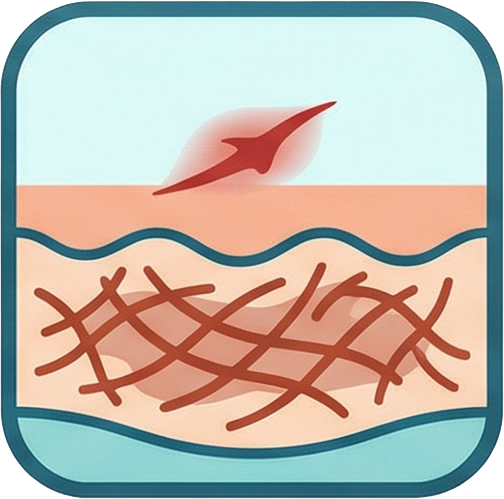
Nicotine affects blood flow, and blood flow is critical after plastic surgery. When circulation is reduced, your body has a harder time delivering oxygen and nutrients where healing needs to happen most. That can affect far more than patients realize.
Why This Matters So Much in Plastic Surgery
Plastic surgery is very dependent on tissue healing. After surgery, the body needs to close incisions properly, reduce inflammation, support skin survival, build healthy scar tissue, and protect the final contour.
When blood supply is compromised, all of that becomes harder.
In my experience, patients are often surprised that smoking or vaping can increase the risk of delayed healing, poor scarring, skin loss, wound separation, infection, and problems with final results.
This is why reputable surgeons take nicotine use seriously, even when patients feel otherwise healthy.
Why Vaping Is Not a “Safe Alternative”
This is a very common misconception. Some patients stop smoking cigarettes and assume vaping is fine. Others believe nicotine-free products make the issue irrelevant.
The reality is that vaping still raises concerns, especially when nicotine is involved, and surgeons usually want clear disclosure about all forms of smoking or vaping before surgery.
In my experience, patients sometimes focus on the form of nicotine instead of the effect it has on healing. That is the wrong focus.
The Real Risk Patients Miss
A lot of patients think, “If I’ve had no health problems before, I should be fine.” But surgery creates a very specific healing environment.
Your body is not operating under normal circumstances. It is recovering from controlled trauma, managing swelling, repairing tissue, and trying to protect blood supply at the same time. That is exactly when smoking or vaping can become a bigger problem than patients expect.
Why Surgeons Ask You to Stop in Advance
Patients sometimes think this recommendation is overly cautious. It is not.
Stopping only the day before surgery is not the same as stopping early enough for your body to recover. Surgeons recommend a nicotine-free period before and after surgery because healing starts the moment surgery is done, not when you decide you feel better.
In my experience, the patients who take this seriously usually have smoother healing and less anxiety during recovery.
What Patients Should Do Instead
The smartest approach is honesty and preparation.
- Tell your surgeon if you smoke or vape
- Do not assume occasional use does not matter
- Follow the recommended stop period exactly
- Do not restart too early during recovery
Trying to hide nicotine use does not protect your surgery. It only makes planning less accurate.
Your Next Step
If you are considering surgery, one of the best things you can do for your safety and your results is give your body the best possible healing conditions from the start.
Being honest about smoking or vaping, following your surgeon’s stop period carefully, and preparing your body the right way can make a meaningful difference in how you heal and how your final result looks.
A proper consultation helps you understand exactly what steps to take before surgery so your plan is based on your procedure, your health, and your recovery needs.
Frequently Asked Questions
- Does vaping matter if I do not smoke cigarettes?
Yes. Vaping can still be a concern, especially if nicotine is involved.
- Why is nicotine such a problem after surgery?
Because it can reduce blood flow, and healthy blood flow is essential for healing.
- Can smoking affect my scars?
Yes. Poor healing can lead to worse scarring and wound problems.
- What if I only smoke occasionally?
Occasional use still matters. Your surgeon needs to know.
- When can I restart after surgery?
That depends on your surgeon’s instructions, but restarting too early can interfere with healing.
Liposuction
One of the biggest concerns patients have when considering liposuction is this: “Will my results look smooth?”
Because if you’ve spent any time researching, you’ve likely seen both clean, sculpted results and results that look uneven, lumpy, or irregular. And the question becomes: what causes that difference? The answer isn’t just the procedure itself. It comes down to technique, judgment, and how your body responds.
What Liposuction Is Actually Doing Beneath the Surface
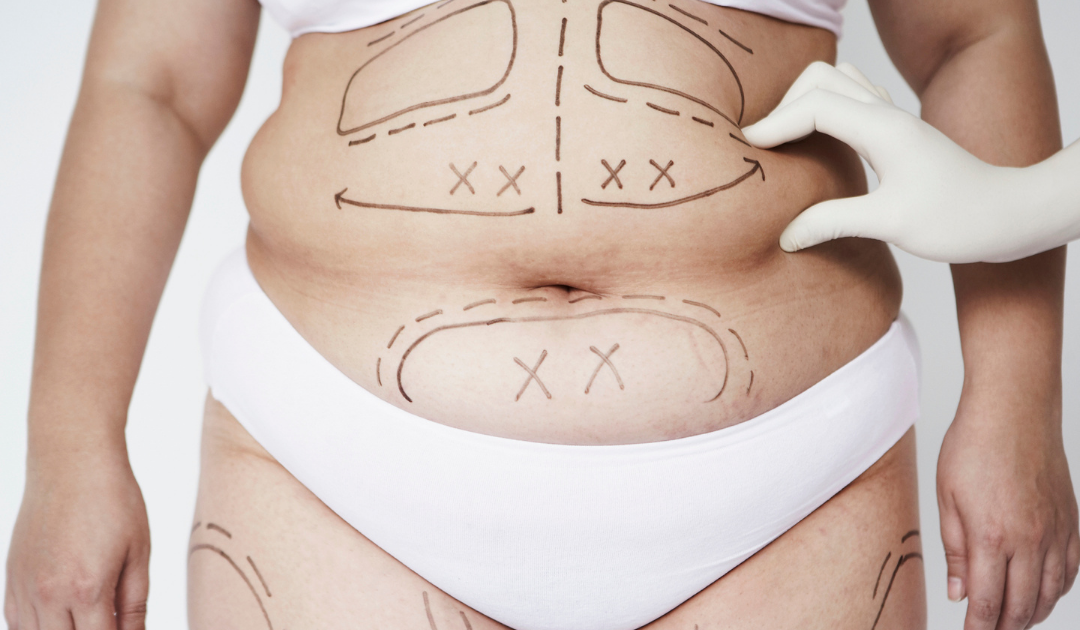
Liposuction removes fat from specific areas using a controlled technique. But it’s not just about removing fat. It’s about how evenly that fat is removed, how the surrounding tissue is preserved, and how the skin adapts afterward.
This is where the outcome is determined. Because once fat is removed, your skin has to re-drape over the new contour. And that’s where smoothness, or lack of it, becomes visible.
Why Some Results Look Uneven
When liposuction results don’t look smooth, it usually comes down to one or more of these factors.
|
Uneven Fat Removal
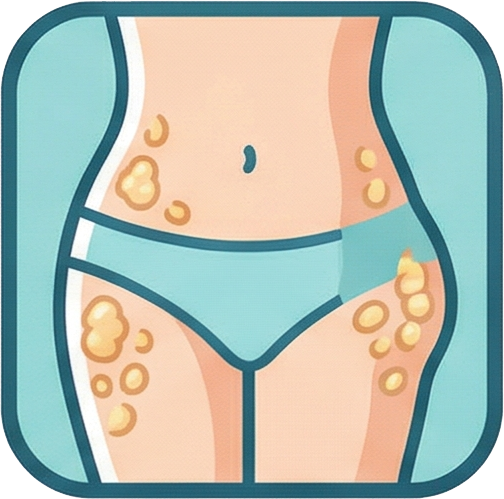
This is one of the most common causes. If fat is removed inconsistently, some areas may be over-treated while others may be under-treated. This creates visible irregularities. Smooth results come from controlled, balanced fat removal, not aggressive removal. |
|
Over-Aggressive Liposuction
There’s a misconception that removing more fat leads to better results. That’s not always true. Removing too much fat can create hollow areas, reduce support under the skin, and lead to visible contour issues. In many cases, restraint produces a better long-term result than excess.
|
|
Skin Quality and Elasticity
This is something patients often overlook. After fat is removed, your skin needs to contract and adapt to the new shape. If skin elasticity is limited, it may not tighten evenly and may reveal underlying irregularities. Patients with good skin elasticity tend to have smoother results.
|
|
Healing and Scar Tissue Formation
Healing is not identical for every patient. During recovery, the body forms scar tissue and swelling resolves at different rates. In some cases, uneven healing can temporarily, or sometimes permanently, affect how smooth the area looks.
|
|
Technique and Experience
This is where the biggest difference lies. Liposuction is not just about removing fat. It’s about depth control, layering, symmetry, and understanding body proportions. These are not mechanical steps. They’re judgment-based. And that’s where experience matters most.
|
What Smooth Results Actually Require
Achieving a smooth result requires a combination of controlled fat removal, respecting natural contours, avoiding overcorrection, and understanding how skin will respond.
It’s not about doing more. It’s about doing it correctly.
What Patients Can Do to Support Their Results
Follow Post-Operative Instructions Carefully
This includes wearing compression garments, attending follow-ups, and following activity guidelines. These steps help the body heal more evenly.
Be Patient With the Healing Process
Early swelling can create the appearance of unevenness. In many cases, what looks uneven early on improves over time. Final results often take weeks, sometimes months, to fully settle.
Maintain Realistic Expectations
Liposuction improves contour, but it doesn’t create perfection. Understanding what the procedure can realistically achieve helps align expectations with results.
What Most Patients Don’t Think About
Patients often focus on how much fat will be removed, but not enough on how the result will look. Smoothness is not about volume removed. It’s about how the final contour is shaped.
Can Uneven Results Be Corrected?
In some cases, yes. Depending on the situation, options may include revision liposuction or fat grafting to correct irregularities. But ideally, this is something you want to get right the first time.
Final Thoughts
Liposuction is not just about removing fat. It’s about shaping the body in a way that looks natural and balanced. Smooth results don’t happen by chance. They come from proper technique, experience, and controlled execution.
And when those are in place, the difference is clear.
Ready to Take the Next Step?
If you’re considering liposuction and want a clear, honest evaluation of what kind of result you can expect, the first step is completing a quick assessment.
Book Your Consultation
BBL
If you’re considering a BBL, the first question on your mind is probably: “Is it safe?”
And it should be.
But here’s where most patients get it wrong — they’re asking if a BBL is safe, instead of understanding what actually makes it safe… or unsafe.
Because the truth is, a BBL isn’t automatically dangerous. But it’s also not something that should ever be taken lightly.
The outcome depends on how it’s performed, who’s performing it, and whether the right decisions are made throughout the entire process.
What most people don’t realize about BBL safety
A lot of the fear around BBLs comes from things people have seen online or heard from others — without understanding what actually went wrong in those situations.
In my experience, patients usually fall into two categories:
- They’re overly confident because they’ve seen results on social media
- Or they’re overly concerned because of stories that lack context
The reality is more nuanced.
A BBL can be performed safely — but only when the right standards are followed every single time.
| So what actually makes a BBL safe?
This is the part that matters.
1. The technique is everything
The most important factor in BBL safety is where the fat is placed.
Fat should only be injected into the subcutaneous layer (above the muscle) never into or below the muscle.
This isn’t just a preference. It’s a critical safety standard.
When this is done correctly and consistently, the overall risk profile changes significantly.
2. Experience changes outcomes
This is not a procedure where “any qualified surgeon” delivers the same result.
There’s a difference between someone who occasionally performs BBLs… and someone who does them routinely and understands the nuances.
Experience shows up in:
- How your body is assessed before surgery
- Decisions made during the procedure
- Adjustments based on your anatomy
- Avoiding complications before they happen
In my experience, the small decisions during surgery are what ultimately determine both safety and results. |
|
3. Not everyone is a good candidate and that matters
This is one of the most overlooked parts of the conversation.
You need:
- Enough fat for transfer
- A stable health profile
- Realistic expectations
And sometimes, the safest decision is not to move forward at all — or to consider a different approach.
A responsible evaluation should always come before any surgical plan.
4. The environment matters more than most patients think
Even with the right surgeon, the setting matters.
A safe procedure requires:
- A properly equipped surgical facility
- Trained staff who know how to manage every stage of the process
- Clear protocols for monitoring and safety
This isn’t something patients usually ask about — but it plays a major role in outcomes.
What actually increases the risk of a BBL?
Let’s be clear about this.
Risk increases when:
- The technique is not followed properly
- The surgeon lacks consistent experience with the procedure
- Too much fat is injected aggressively
- The procedure is rushed
- The facility doesn’t meet proper medical standards
And one of the biggest factors?
Prioritizing price over safety
This is where many patients unintentionally put themselves at risk.
Lower-cost options often come with trade-offs:
- High-volume environments
- Less attention to detail
- Compromised safety protocols
And that’s not where you want to compromise.
The biggest misconception: all BBLs carry the same risk
They don’t.
A properly performed BBL, using the right technique and done by an experienced surgeon in the right environment, is very different from one that isn’t.
That’s why comparing based on:
- Price
- Social media results
- Quick consultations
…can lead you in the wrong direction.
What should you actually look for?
If safety is your priority, focus on:
- Board certification
- Consistent experience with BBL procedures
- Clear explanation of technique
- A properly equipped, accredited facility
- A surgeon who is honest about whether you’re a good candidate
And just as important — someone who doesn’t rush the process.
Final thoughts
A BBL is not just about enhancing your shape.
It’s a surgical procedure that requires:
- Precision
- Experience
- Discipline
When those elements are in place, the procedure can be performed safely and deliver strong, natural-looking results.
When they’re not — that’s where problems happen.
Ready to take the next step?
If you’re considering a BBL and want to understand if you’re a good candidate, the first step is completing a quick surgical evaluation form.
This allows our team to review your goals, medical background, and make sure you’re moving forward safely and at the right time.
From there, we’ll guide you through the next steps based on your situation.
Book An Appointment
Frequently Asked Questions
One of the most common concerns patients have after surgery is: why do results keep changing?In my experience, this creates unnecessary anxiety—not because something is wrong, but because expectations are often unclear.Plastic surgery results are not immediate. They evolve over time.
The Biggest Misunderstanding About Results
Healing is not a straight path. Results can improve, plateau, fluctuate, and improve again.
Why Results Change Over Time
Swelling fluctuates, internal tissues continue healing, and your body adapts to its new shape.
What Patients Often Worry About
Temporary asymmetry, swelling changes, and lack of definition early on are all common and usually not a concern.
When Results Start to Stabilize
Most patients see more consistent results between 4–12 weeks, with continued refinement up to several months.
The Mistake That Creates Anxiety
Checking results daily can lead to unnecessary stress and misinterpretation of normal healing changes.
What Actually Helps
Understanding the timeline, focusing on trends, and following recovery instructions improves both experience and outcome.
When You Should Be Concerned
Sudden swelling, worsening pain, or signs of infection should be evaluated promptly.
FAQ
- Is it normal for results to change weekly? Yes, especially early in recovery.
- Why do I look more swollen some days? Activity and healing cycles affect swelling.
- When will I see final results? Typically 3–6 months.
- Is unevenness normal? Yes, temporarily.
- Should I check daily? No, focus on long-term progress.
Ready to Take the Next Step?
If you’re considering liposuction and want a clear, honest evaluation of what kind of result you can expect, the first step is completing a quick assessment.
Book Your Consultation