Education
Why Having a Caregiver After Plastic Surgery Is So Important
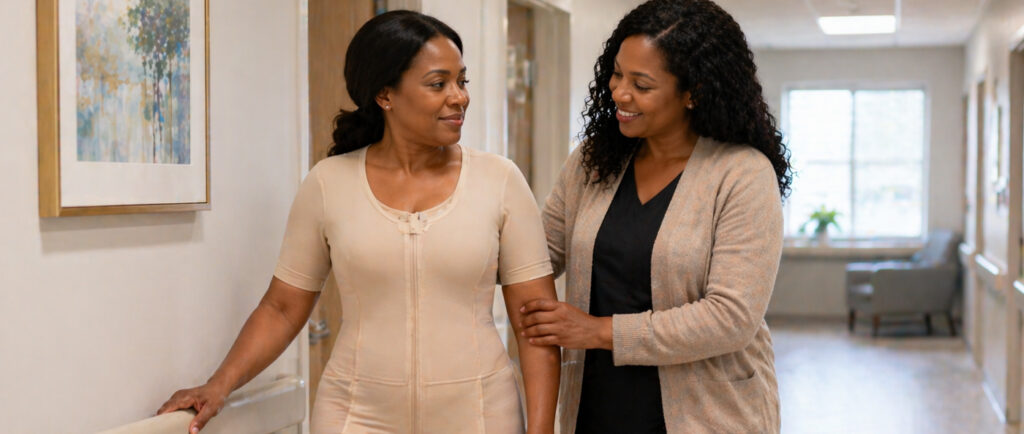
One of the things patients tend to focus on most before surgery is the procedure itself, which makes sense. They are thinking about the result, the recovery time, and how soon they will feel like themselves again.
What many patients do not think through enough is who will be helping them once they get home.
After more than 20 years in practice and thousands of patient transformations, I can tell you this clearly: having the right caregiver after plastic surgery can make a major difference in how smoothly your recovery goes.
This is not just about convenience. It is about safety, comfort, and giving your body the support it needs in those first critical days after surgery.
Why a Caregiver Matters More Than Patients Expect
A lot of patients assume they will be able to rest and manage on their own once the procedure is over. In reality, the first part of recovery is often when you are most uncomfortable, most tired, and not thinking as clearly as usual.
Even simple things can feel harder than expected, including getting in and out of bed, walking around comfortably, staying on schedule with medications, keeping up with fluids and meals, remembering instructions, and avoiding too much movement too soon.
That is where a caregiver becomes incredibly important. A good caregiver helps you stay safe, keeps you supported, and makes recovery much less stressful.
It Is Not Just About Having Someone There
This is where many patients get it wrong. They think, as long as someone drops me off at home, I will be fine.
But the right caregiver does much more than that. They help you settle in. They make sure you are not overdoing it. They help you stay comfortable. They can assist with basic tasks when you are sore, swollen, or limited in your movement. And just as importantly, they give you peace of mind.
That matters more than people realize. Recovery can feel vulnerable. Even strong, independent patients can have moments where they feel overwhelmed, emotional, or physically drained. Having someone calm, dependable, and present can make that experience much easier.
What I Tell My Patients
I always want my patients to understand that recovery is part of the procedure. A beautiful result is not only about what happens in the operating room. It is also about how well you heal afterward.
That means following instructions, resting properly, staying hydrated, walking when appropriate, taking medications correctly, and avoiding unnecessary strain on the body.
When a patient has a strong support system at home, they usually recover with less stress and better overall confidence in the process.
What Makes a Good Caregiver
Not every available person is the right person.
The best caregiver is someone who is reliable, patient, calm under pressure, willing to follow instructions, and genuinely available during the early recovery period.
They do not need medical training. They just need to be present, attentive, and supportive.
The wrong caregiver, on the other hand, can make recovery harder. If someone is distracted, impatient, dismissive, or not truly available, that can create more stress when you need the opposite.
One of the Biggest Mistakes Patients Make
One of the biggest mistakes patients make is underestimating the first few days after surgery.
They assume they will only need a ride home, when in reality they may need help with much more than that. Depending on the procedure, even getting comfortable, standing up, moving carefully, or keeping track of post-op instructions may be more difficult than expected at first.
This is especially true for patients having more involved body procedures, or for patients who live alone. Trying to do too much too early is never a good recovery plan.
Recovery Goes More Smoothly When You Plan Ahead
The patients who usually feel the most prepared are the ones who plan their recovery the same way they plan their surgery.
They think through who will stay with them, who will help them the first day or two, what their home setup looks like, what supplies they need nearby, and how they will rest without unnecessary movement or stress.
That kind of planning reduces anxiety and helps recovery feel much more manageable.
Frequently Asked Questions
- Do I really need a caregiver after plastic surgery?
In many cases, yes. Having a dependable person with you during the early part of recovery can help with safety, comfort, and following post-op instructions more closely.
- How long should someone stay with me after surgery?
That depends on the procedure and your recovery needs, but the first one to two days are often the most important for support.
- Can a friend be my caregiver, or does it need to be family?
A friend can absolutely help, as long as they are dependable, available, calm, and willing to follow your post-op instructions carefully.
- What if I live alone?
If you live alone, it is especially important to plan ahead and make sure you have real support in place before surgery, especially for the early recovery period.
- What makes someone a good caregiver after plastic surgery?
The best caregiver is someone who is reliable, patient, calm, attentive, and genuinely available to help you during the first part of recovery.
Final Thoughts
If you are planning plastic surgery, do not treat caregiver planning like a minor detail. It matters.
In my experience, patients recover better when they have the right help in place. They feel more supported, less overwhelmed, and better able to focus on healing.
Choosing your surgeon is one important decision. Choosing the right support during recovery is another.
If you are considering plastic surgery and want honest guidance on what recovery really looks like, schedule a consultation with Dr. Curves.
BBL
Thinking About a BBL? Let’s Break It Down the Right Way!
If you’ve ever looked in the mirror and felt like your body shape doesn’t fully reflect the confidence you feel inside, you’re not alone. Many of our patients come to us feeling frustrated—despite exercise, diet, and even shapewear, their body shape doesn’t align with their aesthetic goals.
The Brazilian Butt Lift (BBL) has become one of the most sought-after plastic surgery procedures for this very reason. Unlike implants, a BBL enhances your natural curves using your own fat, providing results that look and feel authentic to your body.
But before you move forward, it’s crucial to understand everything about the procedure, including how it works, who it’s for, how long it lasts, and what recovery looks like. This blog will give you the facts, the science, and the real insights from a board certified plastic surgeon.
Why Do Some People Struggle to Get Curves Naturally?
Many of our patients wonder “why can’t I naturally achieve the shape I want?”
The waistline, tummy, and buttocks all respond differently to aging, genetics, and lifestyle factors.
- Tummy – Pregnancy, weight changes, and genetics can cause excess fat, loose skin, and muscle separation, making the midsection appear unbalanced.
- Waistline – Fat accumulates in areas like the love handles, upper hips, and lower back, creating a boxy look and making the buttocks appear flatter.
- Buttocks – Lack of volume, symmetry, or shape is often due to genetics, aging, or weight loss, sometimes combined with cellulite and fibrous bands that affect smoothness.
When Is the Best Time for a BBL?
For those looking to enhance their figure, certain timeframes provide the best opportunity:
- If you’re younger and not planning to have children for 3-5 years, it’s an ideal time to sculpt your shape.
- If you’re done having children, a BBL can restore your body’s contours and confidence.
Recognizing this window of opportunity can be the first step toward feeling great in your own skin.
What Is a BBL?
A BBL is a fat transfer procedure that reshapes and enhances the buttocks while sculpting the body for a more proportional silhouette.
Instead of implants, a BBL removes fat from areas like the stomach, flanks, and thighs and reinjects it into the buttocks and hips for a natural, soft, and aesthetically balanced look.
At our practice, Dr. Curves has personally developed advanced BBL techniques that deliver exceptional, highly customized results, enhancing not just your butt, but your entire silhouette.
Many of our patients have tried everything—exercise, diets, shapewear—only to feel like their body still lacks proportion. That’s why a BBL is the gold standard for full-body contouring.
How Does It Work?
To create beautiful curves, we have developed advanced fat removal and precision transfer techniques that enhance your body’s contours. Here’s how it works:
Step 1 – Liposuction & Fat Harvesting
- Fat is carefully removed from problem areas like the abdomen, flanks, lower back, and thighs through liposuction.
- This doesn’t just remove excess fat—it shapes the waistline and enhances curves, making the buttocks appear more prominent.
Step 2 – Fat Purification & Transfer
- The extracted fat is processed and purified, ensuring only the healthiest, most viable fat cells are reinjected.
- The fat is then strategically placed in the buttocks and hips to enhance volume and achieve the desired shape.
Why Is It So Popular?
The BBL has skyrocketed in popularity because it delivers natural, long-lasting results without implants.
- It uses your own fat, so the results look and feel natural—unlike implants, which can sometimes appear artificial.
- It reshapes the waist, abdomen, and lower back, creating an hourglass figure.
- Research confirms that body contouring procedures improve self-confidence and body satisfaction.
- With proper aftercare, results can last for years without requiring constant maintenance.
Is Everyone a Candidate?
You may be a great candidate if:
- You have enough excess fat for transfer.
- You’re in good general health for elective surgery.
- You’re within 15-20 pounds of your goal weight.
- You have realistic expectations about your results.
You may NOT be a candidate if:
- You are extremely thin and lack sufficient donor fat.
- You’re not willing to commit to proper post-op care.
How Long Do BBL Results Last?
A BBL is permanent—once the fat establishes blood supply, it behaves like normal fat.
- On average, 20% of the fat may be absorbed, but 80% survives long-term.
- Fat acts naturally—if you gain weight, your butt grows; if you lose weight, it shrinks proportionally.
BBL Recovery & Aftercare
We always educate and motivate our patients to strictly follow the post op care, which includes:
- No Sitting for 2 Weeks as Direct pressure can damage new fat cells. Instead, use a BBL pillow for support.
- Wearing a compression garment for 4-6 weeks will reduce swelling and shape your waist.
- Eating lean proteins and healthy fats helps the transferred fat survive.
- We recommend light movement because walking reduces clot risks and promotes healing, but avoid intense exercise for 6-8 weeks.
- No Smoking or Alcohol – Nicotine kills fat cells, while alcohol slows recovery.
❗ The Dangers of Black Market Procedures
Unfortunately, some people turn to black market solutions for enhancing their curves. These procedures often involve non-medical-grade substances like hydrogel or silicone being injected into the body by unlicensed individuals impersonating doctors. The materials used in these procedures can be as unsafe as hardware-grade silicone, leading to devastating consequences. From severe infections to permanent tissue damage, the risks of these illegal treatments far outweigh any perceived benefits. It’s important to avoid these options entirely and prioritize safety above all else.
Unlike these unsafe alternatives, at our practice, BBL is performed by board-certified plastic surgeons who prioritize safety and natural looking results.
What If I Don’t Have Enough Fat?
Some patients worry about not having enough fat for a BBL. There are solutions:
- Gaining weight before surgery can increase donor fat availability.
- Butt implants + fat transfer can provide enhanced projection with natural shaping – this is the second best option besides a BBL.
Why a BBL Is the Gold Standard for Butt Enhancement and Body Contouring?
For many of our patients, a BBL has been truly life changing – they have reported improved confidence and they have really fallen in love with their shape. After all, who wouldn’t want a sculpted, naturally contoured figure that enhances their best features?
But remember, results depend on:
- Your surgeon’s expertise, experience, and the understanding of your body.
- Your dedication to aftercare.
How Much Does a BBL Cost?
The cost of a BBL varies depending on factors like surgeon’s expertise, their years of experience, the results that they were able to achieve, and the extent of liposuction required.
Many patients opt for financing options to make the procedure more accessible. Be sure to discuss payment plans and financing choices during your consultation.
Can It Be Combined With Other Procedures?
Absolutely, in fact most patients choose to combine their BBL with:
- Liposuction in additional areas (back bra rolls, arms, inner thighs, outer thighs).
- Tummy Tuck is recommended for those with excess skin after pregnancy or weight loss.
- Breast Augmentation or Lift to enhance overall body balance.
- Hip Fat Grafting – for a fuller, more rounded hip contour.
How do I pick the right BBL shape?
This depends on your body type, your preferences, and genetics. Some patients want a heart-shaped butt, while others prefer a shelf look or a subtle enhancement.
Dr. Curves tailors the procedure to your vision while his unique techniques ensure a natural, proportional result.
Common Myths & Misconceptions About BBLs
“All of the fat disappears after surgery”
Not true. About 80% of the fat survives permanently, provided you follow post-op care instructions.
“BBLs look unnatural”
When done by a skilled surgeon like Dr. Curves, a BBL enhances your natural shape—it doesn’t have to be extreme.
“BBLs are the riskiest plastic surgery”
Early concerns about fat embolisms have been addressed by improved safety techniques. Choosing a board-certified surgeon ensures a safe experience.
Get the Hourglass Figure You’ve Always Wanted—Schedule Your BBL Consultation Now!
If you’re serious about a BBL, the next step is a consultation where we’ll evaluate your candidacy, review your medical history, discuss your goals and concerns, and answer any questions—all while creating a personalized plan.
📞 Call us today at (678) 205-8400 or click here to book your consultation. Speak Soon!
For real patient transformations, follow us on:
Instagram: @drcurves @curvatureplasticsurgery