Select Page
How Much Fat Actually Survives After a BBL

How Much Fat Actually Survives After a BBL

Blog: How Much Fat Actually Survives After a BBL — And What Affects Your Final Results

One of the most common questions patients ask before a BBL is simple: how much of the fat actually stays?

It is an important question because the answer affects expectations, healing, and how patients feel when their body starts changing after surgery. A lot of people assume that whatever they see right after surgery is what they will keep. That is not how a BBL works.

A Brazilian Butt Lift is not just about moving fat from one area to another. It is about transferring fat in a way that gives those fat cells the best possible chance to survive. Some of the transferred fat will live long-term. Some of it will not. That is normal.

What matters is understanding what affects that survival rate, what changes are expected during recovery, and what patients often misunderstand about final results.

How Much Fat Usually Survives After a BBL?

In most cases, patients can expect that roughly 60% to 80% of the transferred fat will survive long-term. That means some reabsorption is expected, and the body you see early after surgery is not your final result.

In my experience, one of the biggest sources of unnecessary anxiety is when patients are not prepared for this part of the process. They see more fullness in the beginning, then notice changes over the following weeks, and start wondering whether something went wrong. Usually, what they are seeing is normal healing, swelling going down, and the body settling into its long-term result.

This is exactly why expectation-setting matters so much. A good BBL result is not judged in the first week or even the first month. It takes time for your body to show you what actually stayed.

Why All of the Fat Does Not Survive

Transferred fat is living tissue. Once it is removed from one part of the body and placed into another, those fat cells need to establish a new blood supply in order to survive. Until that happens, they are vulnerable.

Some cells successfully connect to the surrounding tissue and become part of the area long-term. Others do not. The cells that do not survive are gradually broken down and reabsorbed by the body.

This is not a complication by itself. It is part of the biology of fat transfer.

What patients often misunderstand is that fat survival is not based on wishful thinking or just how much fat was injected. It depends on how the fat was handled, how it was placed, how the tissue receives it, and how well the patient protects those results during recovery.

What the First Few Months Really Look Like

The early post-op phase can be misleading if you do not know what to expect.

In the first few weeks, swelling is significant. The buttocks often look fuller, rounder, and more projected than they will later. Patients sometimes become attached to that early look, but part of that fullness is swelling and temporary fluid retention.

As healing progresses, swelling starts to come down and the body begins reabsorbing the fat that did not survive. This is why the shape changes over time.

Most patients begin to get a better idea of their true outcome somewhere around the 8- to 12-week mark. More refinement continues after that, and final results are usually much clearer by around 3 to 6 months.

One of the biggest mistakes I see is patients judging their results too early. A BBL takes patience. The body needs time to settle.

What Affects Your Final BBL Results?

Several factors influence how much fat survives after a BBL. Some are related to the surgical process itself, and some are related to the patient’s body and recovery habits.

1. Surgical Technique

This is one of the most important factors. Fat has to be harvested carefully, processed properly, and injected with precision. The goal is not simply to add volume. The goal is to place fat in a way that gives it the best chance of survival while also creating a smooth, balanced, natural-looking result.

In my experience, problems often happen when too much fat is forced into one area, when the fat is not distributed evenly, or when the cells are handled too aggressively. Fat needs space. It needs access to blood supply. It needs to be layered thoughtfully.

Good technique is one of the biggest reasons some patients heal beautifully while others end up with results that look unpredictable, uneven, or less stable.

2. Your Body’s Natural Biology

Every patient heals differently. Some people simply have better tissue quality, stronger circulation, and more favorable healing patterns than others. That does not mean one person had a better surgery than another. It means biology always plays a role.

Factors that can affect fat survival include circulation, tissue health, general wellness, smoking history, and certain medical conditions. This is one reason why no ethical surgeon should promise that every patient will keep the exact same percentage of fat.

There are patterns and expectations, but there are also individual differences. Good planning takes that into account.

3. Post-Op Care

This is where patients often have more influence than they realize. The transferred fat is delicate during the early healing phase. Excess pressure on the area can interfere with circulation and reduce the chances of survival.

That is why post-op instructions matter so much. Sitting directly on the buttocks too early, ignoring positioning instructions, using the wrong support, or not following compression guidance can affect the result.

What patients often misunderstand is that recovery is not passive. You do not just have surgery and wait. The way you protect your body during those first critical weeks can make a real difference.

4. Weight Stability

The fat that survives a BBL behaves like fat anywhere else in your body. That means it can shrink if you lose weight and enlarge if you gain weight.

This is why stable weight matters so much. One of the biggest mistakes I see is when patients undergo surgery before they are truly at a maintainable weight, or they aggressively diet afterward. If your body weight changes significantly, your result can change too.

Patients who maintain a stable weight usually keep a more stable shape. Patients with large fluctuations often notice that their result changes more than expected.

5. How Much Fat You Had to Begin With

Not every patient starts with the same amount of available fat. That matters. Patients who have more donor fat often give the surgeon more flexibility in shaping and balancing the body. Patients who are very lean may still be candidates in some cases, but expectations need to be realistic.

If there is limited donor fat, the result may be more subtle. That does not mean the result cannot be beautiful. It just means the surgical plan has to match the body you actually have, not the look you saw on someone built very differently from you.

What Patients Commonly Misunderstand About Fat Survival

There are a few misconceptions that come up over and over again with BBL patients.

The first is the belief that volume loss automatically means failure. It does not. Some degree of volume loss is part of normal healing.

The second is assuming that the earliest post-op look is the best or most accurate version of the result. It is not. Early fullness is often a combination of transferred fat, swelling, and temporary changes in tissue.

The third is thinking that final results are based only on how much fat was injected. That is not how this works. A BBL is not just a volume procedure. It is a shaping procedure, a contouring procedure, and a healing-dependent procedure.

What matters is not just how much fat goes in, but how well that fat survives and how beautifully the body heals around it.

Why Some Surgeons Add More Fat Than the Final Goal

Because some fat loss is expected, surgeons often place more fat than the exact final size the patient hopes to keep. This is done to account for the percentage that will not survive.

This does not mean more is always better. In fact, overfilling without proper judgment can work against the result. Fat needs space and blood supply. If too much is crowded into one area, survival can actually drop, and the shape can become less predictable.

The best outcomes usually come from a balanced, experienced approach rather than an excessive one.

When Can You Trust What You See?

Most patients start getting a more realistic sense of their outcome after around 3 months. By then, a large part of the swelling has improved and the surviving fat has become more established.

Even then, the body can continue refining beyond that point. Subtle changes may continue for several months, especially as swelling fully resolves and tissues soften.

Patience is a big part of the process. A BBL is not something you judge week by week. It needs time.

Final Thoughts

A BBL is not just about transferring fat. It is about creating a result that looks beautiful after healing, not just immediately after surgery.

In my experience, the best results come from the combination of strong surgical technique, realistic expectations, proper candidacy, and disciplined recovery. Patients who understand that part of the process tend to feel much more confident during healing and much more satisfied with their final outcome.

If you are considering a BBL, one of the smartest things you can do is focus less on exaggerated promises and more on understanding how the procedure actually works. That is what helps patients make better decisions and get results that feel worth it long-term.

Frequently Asked Questions

How much fat survives after a BBL?

Most patients keep about 60% to 80% of the transferred fat long-term, although exact survival varies from person to person.

Why does some of the transferred fat go away?

Not all fat cells successfully develop a new blood supply after transfer. The cells that do not survive are naturally reabsorbed by the body.

Can sitting too early affect BBL results?

Yes. Too much pressure on the area during early healing can affect circulation and may reduce fat survival, which is why post-op positioning matters.

When will I know my final BBL results?

Most patients have a much better idea of their long-term result by around 3 months, with continued refinement up to about 6 months.

Can weight loss after surgery make my BBL smaller?

Yes. The fat that survives behaves like normal body fat, so major weight loss can reduce volume and change your final shape.

Why Board Certification Matters More Than Most Patients Realize

Why Board Certification Matters More Than Most Patients Realize

Blog: Why Board Certification Matters More Than Most Patients Realize

When patients start researching plastic surgery, they usually focus on the procedure first.

They want to know:

  • How recovery works
  • What results look like
  • How much it costs

But one of the most important questions often gets overlooked:

Is your surgeon actually board-certified in plastic surgery?

And more importantly, do you understand why that matters?

Because in plastic surgery, credentials are not a minor detail. They directly affect safety, judgment, training, and the quality of the result.

What board certification actually means

A board-certified plastic surgeon has completed the required training, testing, and standards specific to plastic surgery.

That matters because plastic surgery is not just about performing a procedure. It involves:

  • Patient selection
  • Surgical planning
  • Technical execution
  • Complication prevention
  • Post-operative management

Those are not interchangeable skills, and they should never be assumed just because someone offers cosmetic procedures.

Why patients often underestimate this

Many patients assume that if a provider advertises cosmetic surgery, that automatically means they have the same level of training as a board-certified plastic surgeon.

That assumption is where problems start.

In reality, there is a major difference between offering procedures and being fully trained in plastic surgery at a board-certified level.

And that difference becomes especially important in cases involving:

  • Complex anatomy
  • Higher-risk procedures
  • Revision cases
  • Real-time decision-making during surgery

Board certification is about more than a title

Patients sometimes hear the phrase but do not fully understand what it represents.

It is not just a line in a bio.

It reflects a standard of training and accountability that matters when your body, safety, and results are involved.

In my experience, one of the biggest differences between an average outcome and a strong one often comes down to judgment. Not just what is done, but what is avoided, what is adjusted, and what is recognized before it becomes a problem.

Why this matters so much in aesthetic surgery

Cosmetic procedures may look straightforward online, but they are not simple in practice.

A successful result depends on:

  • Understanding anatomy deeply
  • Evaluating candidacy properly
  • Planning for proportion and balance
  • Performing the procedure safely
  • Managing recovery correctly

That is why qualifications matter so much more than branding, social media presence, or price.

The real-world difference patients feel

Patients do not just experience the difference in the operating room. They feel it throughout the entire process.

That includes:

  • How thoroughly they are evaluated
  • How honestly expectations are managed
  • How carefully their plan is built
  • How confidently complications are prevented or handled

These things may not show up in a before-and-after photo, but they absolutely show up in outcomes.

Why this matters even more in revision cases

Revision surgery is often where the difference becomes impossible to ignore.

When a patient comes in after a poor result elsewhere, the issue is not always just technique. Sometimes it is improper planning, weak judgment, or a failure to respect the patient’s anatomy from the beginning.

In many cases, getting it right the first time is not just preferable. It saves the patient from unnecessary emotional, physical, and financial cost later.

What patients should actually look for

If you are evaluating a surgeon, do not stop at photos or marketing language.

Pay attention to:

  • Board certification in plastic surgery
  • Consistent experience with your procedure
  • A clear and honest consultation process
  • A focus on safety, candidacy, and long-term outcome

A good surgeon is not just someone who can perform the procedure. It is someone who knows when to adjust, when to be conservative, and when to say no.

What most patients do not realize until later

Patients often realize the importance of training and credentials only after they have seen what happens when something is rushed, overdone, or poorly planned.

By then, the conversation is no longer about improving something. It is about correcting something that could have been avoided.

That is why this decision should be made carefully from the beginning.

Final thoughts

Board certification matters because plastic surgery is not just about appearance. It is about judgment, training, safety, and execution.

The procedure itself matters, but the person performing it matters more.

When patients understand that early, they make better decisions, protect their outcomes, and put themselves in a much stronger position from the start.

Frequently Asked Questions

Why does board certification matter in plastic surgery?

It matters because it reflects specific training, standards, and accountability in plastic surgery, which directly affects safety, planning, judgment, and outcomes.

Is every cosmetic surgeon board-certified in plastic surgery?

No. Offering cosmetic procedures does not automatically mean a provider is board-certified in plastic surgery, which is why patients should verify credentials carefully.

Does board certification guarantee a perfect result?

No credential can guarantee perfection, but board certification is an important indicator of specialized training and standards that matter when evaluating safety and quality.

What should I look at besides before-and-after photos?

You should look at board certification, experience with your procedure, consultation quality, candidacy screening, and the overall safety standards of the practice.

Why is this especially important for revision surgery?

Revision cases are often more complex, so experience, planning, and sound surgical judgment become even more important when correcting prior issues.

Is a BBL Safe? What Most Patients Get Wrong About Risk

Is a BBL Safe? What Most Patients Get Wrong About Risk

Is a BBL Safe? What Most Patients Get Wrong About Risk

If you’re considering a BBL, the first question on your mind is probably: ā€œIs it safe?ā€

And it should be.

But here’s where most patients get it wrong — they’re asking if a BBL is safe, instead of understanding what actually makes it safe or unsafe.

Because the truth is, a BBL isn’t automatically dangerous. But it’s also not something that should ever be taken lightly. The outcome depends on how it’s performed, who’s performing it, and whether the right decisions are made throughout the entire process.

What Most People Don’t Realize About BBL Safety

A lot of the fear around BBLs comes from things people have seen online or heard from others — without understanding what actually went wrong in those situations.

In my experience, patients usually fall into two categories:

  • They’re overly confident because they’ve seen results on social media
  • Or they’re overly concerned because of stories that lack context

The reality is more nuanced.

A BBL can be performed safely — but only when the right standards are followed every single time.

So What Actually Makes a BBL Safe?

This is the part that matters.

1. The Technique Is Everything

The most important factor in BBL safety is where the fat is placed.

Fat should only be injected into the subcutaneous layer (above the muscle) — never into or below the muscle.

This isn’t just a preference. It’s a critical safety standard.

When this is done correctly and consistently, the overall risk profile changes significantly.

2. Experience Changes Outcomes

This is not a procedure where ā€œany qualified surgeonā€ delivers the same result.

There’s a difference between someone who occasionally performs BBLs and someone who does them routinely and understands the nuances.

Experience shows up in:

  • How your body is assessed before surgery
  • Decisions made during the procedure
  • Adjustments based on your anatomy
  • Avoiding complications before they happen

In my experience, the small decisions during surgery are what ultimately determine both safety and results.

3. Not Everyone Is a Good Candidate — And That Matters

This is one of the most overlooked parts of the conversation.

You need:

  • Enough fat for transfer
  • A stable health profile
  • Realistic expectations

And sometimes, the safest decision is not to move forward at all — or to consider a different approach.

A responsible evaluation should always come before any surgical plan.

4. The Environment Matters More Than Most Patients Think

Even with the right surgeon, the setting matters.

A safe procedure requires:

  • A properly equipped surgical facility
  • Trained staff who know how to manage every stage of the process
  • Clear protocols for monitoring and safety

This isn’t something patients usually ask about — but it plays a major role in outcomes.

What Actually Increases the Risk of a BBL?

Let’s be clear about this.

Risk increases when:

  • The technique is not followed properly
  • The surgeon lacks consistent experience with the procedure
  • Too much fat is injected aggressively
  • The procedure is rushed
  • The facility doesn’t meet proper medical standards

And one of the biggest factors?

Prioritizing price over safety.

This is where many patients unintentionally put themselves at risk.

Lower-cost options often come with trade-offs:

  • High-volume environments
  • Less attention to detail
  • Compromised safety protocols

And that’s not where you want to compromise.

The Biggest Misconception: All BBLs Carry the Same Risk

They don’t.

A properly performed BBL, using the right technique and done by an experienced surgeon in the right environment, is very different from one that isn’t.

That’s why comparing based on:

  • Price
  • Social media results
  • Quick consultations

…can lead you in the wrong direction.

What Should You Actually Look For?

If safety is your priority, focus on:

  • Board certification
  • Consistent experience with BBL procedures
  • Clear explanation of technique
  • A properly equipped, accredited facility
  • A surgeon who is honest about whether you’re a good candidate

And just as important — someone who doesn’t rush the process.

Final Thoughts

A BBL is not just about enhancing your shape.

It’s a surgical procedure that requires:

  • Precision
  • Experience
  • Discipline

When those elements are in place, the procedure can be performed safely and deliver strong, natural-looking results.

When they’re not — that’s where problems happen.

Ready to Take the Next Step?

If you’re considering a BBL and want to understand if you’re a good candidate, the first step is completing a quick surgical evaluation form.

This allows our team to review your goals, medical background, and make sure you’re moving forward safely and at the right time.

From there, we’ll guide you through the next steps based on your situation.


Book Your Appointment

How to Choose the Right Breast Implant Size

How to Choose the Right Breast Implant Size

How to Choose the Right Breast Implant Size

One of the most common questions patients ask before breast augmentation is:

ā€œWhat size should I go?ā€

And on the surface, it sounds simple.

But this is where a lot of patients make the wrong decision — because they’re choosing based on numbers instead of understanding what actually creates the final result.

Implant size is not just about how ā€œbigā€ you want to be. It’s about proportion, balance, and how the result fits your body.

Why implant size isn’t just a number

A 350cc implant does not look the same on everyone.

Two patients can choose the exact same size and end up with completely different results.

That’s because your outcome depends on:

  • Your natural breast tissue
  • Your chest width
  • Your body frame
  • Your skin elasticity

So focusing only on ā€œccsā€ without considering these factors is where expectations start to disconnect from reality.

What most patients get wrong

A lot of patients come in with reference photos or a specific number in mind.

That’s not a bad starting point — but it can be misleading.

Because:

  • Photos don’t show body proportions
  • Sizes look different on different frames
  • What looks good on someone else may not suit your body

In practice, patients who focus only on size often end up either going too large and losing natural proportion, or going too small and feeling underwhelmed.

The real goal: proportion, not just volume

The best results don’t come from choosing the biggest size.

They come from choosing a size that fits your body naturally.

That means:

  • Matching your chest width
  • Maintaining balance with your hips and frame
  • Creating a shape that looks natural both in and out of clothing

When proportion is right, the result doesn’t look ā€œdone.ā€ It just looks right.

What actually determines your implant size

There are a few key factors that guide this decision.

Your body frame

A smaller frame can only accommodate a certain implant size before it starts to look disproportionate.

Your existing breast tissue

If you already have some natural volume, implants will enhance it differently compared to someone starting with very little tissue.

Your skin elasticity

Your skin determines how well it can stretch and support the implant.

This affects both how the implant sits and how natural the result looks.

Your goals

Some patients want a subtle, natural enhancement.

Others want a fuller, more noticeable result.

Both are valid — but the approach needs to match the goal.

The difference between natural and noticeable

This is an important distinction.

A natural result:

  • Blends with your body
  • Doesn’t draw immediate attention
  • Looks proportional

A more noticeable result:

  • Adds more volume
  • Creates more projection
  • Stands out more

The key is being clear about which one you actually want.

Why going bigger isn’t always better

There’s a point where increasing size starts to work against you.

Going too large can lead to:

  • Implants looking overly round or artificial
  • Increased strain on your skin
  • A higher chance of long-term issues like sagging

In many cases, slightly smaller and more proportional leads to a better long-term outcome.

How the right size is actually chosen

This is not something that should be guessed.

A proper evaluation includes:

  • Measuring your chest and breast base width
  • Trying different sizes visually
  • Discussing your goals clearly
  • Understanding what your body can realistically support

This is where experience matters — because the goal is not just to choose a size, but to choose the right size for you.

What most patients don’t think about

Implant size affects more than just how you look immediately after surgery.

It also impacts:

  • Long-term shape
  • Skin stretch over time
  • How your results age

Choosing correctly upfront makes a difference not just now — but years down the line.

Final thoughts

Choosing the right implant size isn’t about picking a number.

It’s about understanding your body, your goals, and what will actually give you a result that feels right long-term.

When that’s done properly, the result looks natural, balanced, and consistent with your overall shape.

Frequently Asked Questions

Does the same implant size look the same on everyone?

No. The same implant size can look very different depending on your frame, chest width, natural breast tissue, and skin elasticity.

Is bigger always better in breast augmentation?

Not necessarily. Going too large can create a less natural look and may place more strain on your skin over time.

How do I know what implant size fits my body?

The best way is through a proper evaluation that considers your measurements, anatomy, goals, and what your body can realistically support.

Should I choose implant size based on reference photos?

Reference photos can help communicate your preferences, but they should not be the only basis for your decision because results look different on every body.

What matters more than the implant number?

Proportion matters more. The goal is choosing a size that fits your frame, balances your shape, and supports a result that looks right on your body.

Fat Grafting vs Implants

Fat Grafting vs Implants

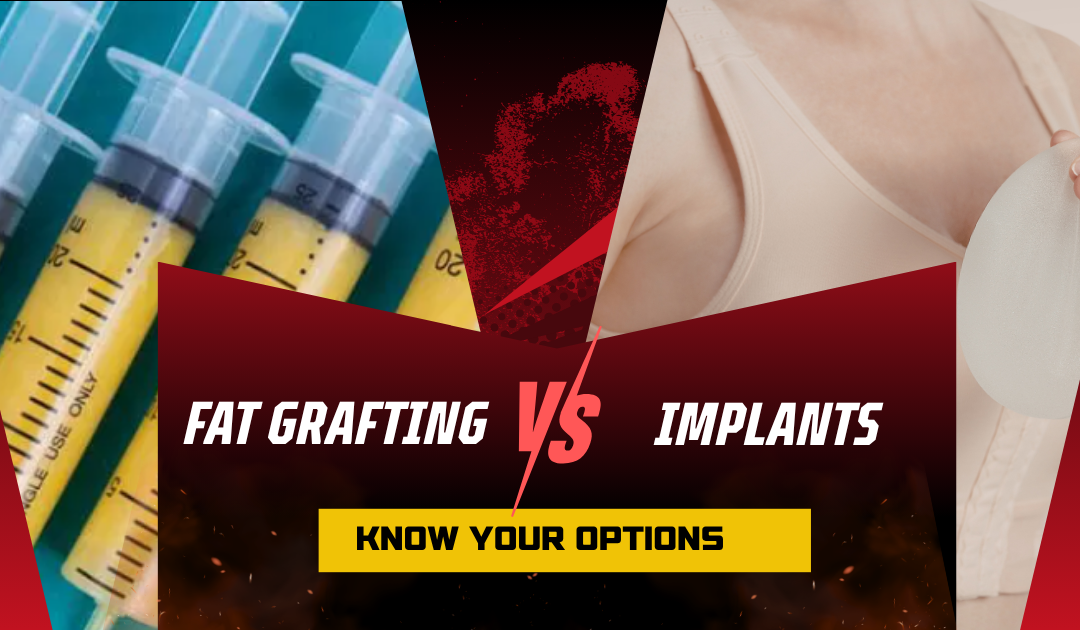
Fat Grafting vs Implants - Know your options, a guide by a plastic surgeon, an image showing comparison fat vs implants

Fat Grafting vs Implants – Know your options

Fat Grafting vs Implants: Which Option Is Actually Right for You?

If you’re thinking about enhancing your shape, you’ve probably come across two main options: fat grafting and implants.

And naturally, the question becomes — which one is better?

The honest answer is that neither is better across the board.

They’re completely different approaches designed for different goals, body types, and expectations.

What matters is understanding what each option can realistically do for you — and where patients tend to get this wrong.

The biggest misconception: they give the same kind of results

This is where most confusion starts.

Patients often assume fat grafting is just a more natural version of implants, or that implants are simply a more dramatic version of fat grafting.

But that’s not how it works.

These procedures create very different outcomes — not just in size, but in shape, feel, longevity, and limitations.

What fat grafting actually does and where patients misunderstand it

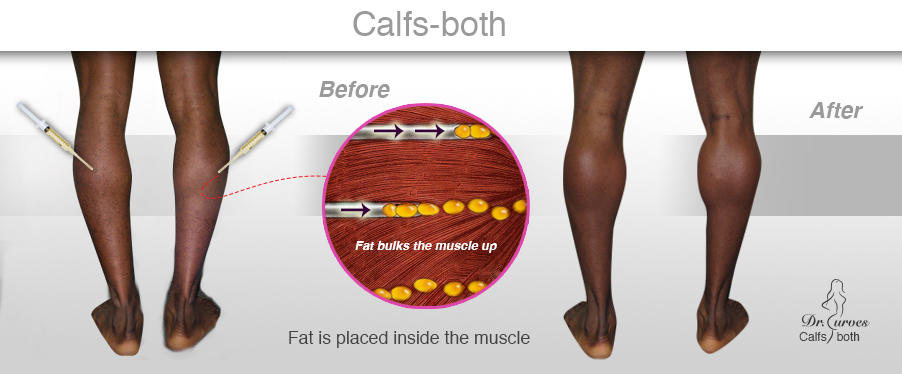
Fat grafting uses your own fat, usually taken from areas like the abdomen, flanks, or back, and transfers it to another area such as the buttocks or breasts.

This option is often appealing because it uses your own tissue and can create a softer, more natural-looking result.

What fat grafting does well

  • Creates softer, more natural-looking enhancement
  • Improves contour in multiple areas
  • Enhances your existing shape rather than forcing a dramatic change

Where patients get it wrong

  • Expecting dramatic volume without enough fat available
  • Assuming all transferred fat will survive
  • Believing it can completely reshape the body no matter the starting point

In reality, fat grafting works best when you have enough fat available, want enhancement rather than extreme change, and understand that some of the transferred fat will naturally be reabsorbed.

What implants actually do and how they differ

Implants are designed to add volume directly, without depending on your body’s fat supply.

For some patients, that makes them the more practical choice.

What implants do well

  • Provide more predictable volume
  • Create more noticeable or structured changes
  • Work for patients who do not have enough fat for transfer

Where patients get it wrong

  • Expecting them to feel completely natural
  • Not understanding long-term maintenance
  • Choosing size based on appearance alone instead of proportion

Implants are often the better option when you want a more defined increase in size or do not have enough fat for grafting.

How to decide between fat grafting and implants

In practice, the choice usually comes down to three things: your body, your goals, and your expectations.

1. Your body type

Do you have enough fat available for transfer? How your body stores fat matters more than many patients realize.

2. Your goals

If you want subtle, natural enhancement, fat grafting may be the better fit. If you want more volume and projection, implants may make more sense.

3. Your expectations

Fat grafting comes with some variability because not all transferred fat survives. Implants tend to offer more predictable volume, but they come with long-term considerations of their own.

What most patients do not think about

This is where real decision-making happens.

Fat grafting depends on your body. Not all of the fat survives, and results can vary.

Implants are a long-term commitment. They may require monitoring and, in some cases, replacement over time.

In some situations, a combination approach may be considered to balance structure and softness — but that depends entirely on the individual.

So which option is actually right for you?

There is no universal answer.

The right choice depends on your anatomy, your goals, and what kind of result actually makes sense for your body.

What matters most is having a clear, honest evaluation before making that decision.

Final thoughts

Both fat grafting and implants can deliver strong results when used in the right situation.

Problems usually happen when the wrong procedure is chosen, expectations do not match reality, or decisions are made based on trends instead of what actually fits your body.

The goal is not just enhancement. It is choosing the option that makes sense for your body, your goals, and your long-term result.

Frequently Asked Questions

Is fat grafting safer than implants?

They are different procedures with different considerations. The better option depends on your anatomy, medical history, and goals.

Does fat grafting look more natural than implants?

In many cases, fat grafting can create a softer and more natural-looking result, but it also depends on how much fat is available and what kind of enhancement you want.

Are implants better if I do not have enough fat?

Often, yes. If you do not have enough fat for transfer, implants may be the more practical way to achieve your desired volume.

Can fat grafting and implants be combined?

In some cases, a combination approach may be appropriate. That depends on your goals, your anatomy, and what your surgeon believes will produce the best outcome.

How do I know which option is right for me?

The best way to know is through a proper evaluation that takes your body type, available fat, goals, and expectations into account.