Select Page
Considering plastic surgery?

Considering plastic surgery?


Considering plastic surgery? Here’s What You Need to Know to Protect Your Body and Your Results

Let’s be honest. Surgery is a big decision—not just financially, but for your health, safety, and long-term satisfaction. We’ve seen patients come in excited for change, but unsure of what happens before the transformation. That’s where preparation comes in.


This isn’t about overwhelming you with medical jargon or scaring you off. It’s about helping you get the most out of your investment starting before you even walk into the OR. Whether you’re just thinking about surgery or already booked with Dr. Curves, this is the guide we wish every patient had before starting their journey


Medical Clearance is Non-Negotiable

Every patient must be medically cleared by a licensed primary care physician. If you don’t have one, we’ll help you find one.
Your clearance must happen within 30 days before surgery—not earlier, not later.

Here’s what’s included:

  • A Complete Blood Count (CBC).
  • Any additional labs your physician requests.
  • Your physician’s clearance form, office notes, and lab results sent to us at least three weeks prior to surgery.

Failure to meet this deadline could lead to cancellation. We don’t want that for you.


Recovery Time: It’s Not Just About Time Off Work

Most procedures require at least two weeks off from work. If you’re doing multiple procedures at once, you’ll need longer. You also must have a caretaker—someone 18 or older—who can drive you home after surgery and stay with you during recovery.

Caretaker expectations:

  • For single surgeries: care for 48 to 72 hours
  • For combination surgeries: at least one week of full-time care

We can connect you with trusted local caretakers if needed.


Traveling for Surgery? Know This First

If you’re traveling more than an hour away, you’ll need to stay close to our office for at least 48 hours. If you’re flying in or driving over three hours, plan to stay within easy driving distance for 10 to 14 days.

Traveling increases risk for:

  • Blood clots (DVT), especially if you smoke or use birth control
  • Infection, due to air travel and general exposure

This is your health. These precautions are in place for a reason.


Drains and Scars

Some procedures may require post-op drains. Your nurse will give you all the details and how to care for them.
As for scars—yes, they happen. But we do everything we can to place incisions carefully and guide you through proper healing. Things like wound size, your skin type, age, and how you care for the area all play a role.
Once you’re healed, we’ll walk you through options for scar care.


Budget and Expectations

At your consultation, we’ll discuss:

Your goals Your Areas of Concern Your Budget Financing Options

Dr. Jimerson will recommend a treatment plan that gives you natural-looking, balanced results. If needed, we can split procedures into stages to work with your schedule and budget.

Quotes, Deposits, and Payment Timeline

After your consultation:

  • You’ll receive a quote valid for 30 days
  • Secure your quote for 1 year with $500
  • Balance is due 60 days before surgery
Your quote includes:

  • Surgeon’s fees
  • Anesthesia
  • Operating room expenses
  • Post-op garment (most procedures)
It does not include:

  • Medical clearance and labs
  • Post-op supplies or additional garments


Why BMI Matters

BMI (Body Mass Index) is a measure of body fat based on height and weight. The ideal range is 20 to 25. A BMI over 30 increases surgical risk.

If you’re overweight, we recommend losing excess weight before surgery. It leads to more predictable, longer-lasting results. On the flip side, if you’re too lean and want fat transfer procedures, you might be asked to gain a few pounds.


Your Weight Affects Your Results

If you lose weight after surgery, you may have loose skin. If you gain weight, you could stretch out your results.Consistency is key. Weight stability before and after surgery will protect your investment and help you get the best outcome possible.


Medication Guidelines

Be transparent about every medication and supplement you’re taking. Some medications can interact with anesthesia and increase surgical risk.

Here’s what to stop before surgery:

Smoking Alcohol Hormones or birth control NSAIDs and aspirin Vitamin E Weight loss supplements


Thinking About Combining Procedures?

There are pros and cons.

Pros:

  • One recovery period
  • One anesthesia session
  • Lower overall cost
  • See multiple results at once
Cons:

  • Longer time under anesthesia
  • More strain on the body
  • Increased risk if not in good health


We’ll evaluate your health, goals, and timeline—and we’ll only move forward with what’s safe and realistic for you.


Meet Your Surgical Team

All procedures are performed at our accredited surgical center in Johns Creek, Georgia.

Our 14,000-square-foot facility includes:

  • Three state-of-the-art operating rooms
  • A full team of board-certified medical professionals

Dr. Jimerson leads every procedure, supported by a team of CRNAs, nurses, surgical assistants, and more. You’re not just getting a skilled surgeon—you’re getting a coordinated, experienced team committed to your safety and success.


Informed Consent and Expectations

We want you to be fully informed. Everyone has some degree of natural asymmetry—and while cosmetic surgery can improve balance, it can’t make the human body perfectly symmetrical.

We’re committed to transparency, realistic expectations, and the best outcomes possible


Last Word: Your Best Results Start Long Before the Surgery

This is about setting you up for success—not just with the procedure itself, but with the planning, lifestyle, and choices leading up to it. Because surgery is only one part of your transformation. The rest? That’s where preparation, education, and trust come in. If you’re ready to take the next step, book a consultation with Dr. Curves. We’ll walk you through every detail, together.


So, What’s the Next Step?

It all starts with a consultation.

Whether you’re thinking about implants, fat transfer, a lift—or just have questions—we’re here to guide you through it all. You don’t need to have it all figured out yet. We’ll help you decide what works for your body and your goals.

Call us at (678) 205-8400

Click below to book your consultation

Book Appointment


Final Thought

There’s no “perfect breast” — only the one that makes you feel confident, feminine, and free to wear what you love without hesitation. Let’s help you get there. 💖

Thinking About Breast Augmentation?

Thinking About Breast Augmentation?


Thinking About Breast Augmentation? Here’s What You Should Know First

Have you ever looked in the mirror and wished your breasts looked fuller, perkier, or more balanced? You’re not alone—and you’re definitely not being “too picky.” Every day, women come to us feeling like their breasts just don’t match how they feel inside. Whether it’s from having kids, weight changes, genetics, or just never feeling quite “proportional,” this is a very real and personal decision.

Let’s walk through what breast enhancement really looks like—what your options are, what to expect, and how to know what’s right for your body.


Why Do Women Choose Breast Enhancement?

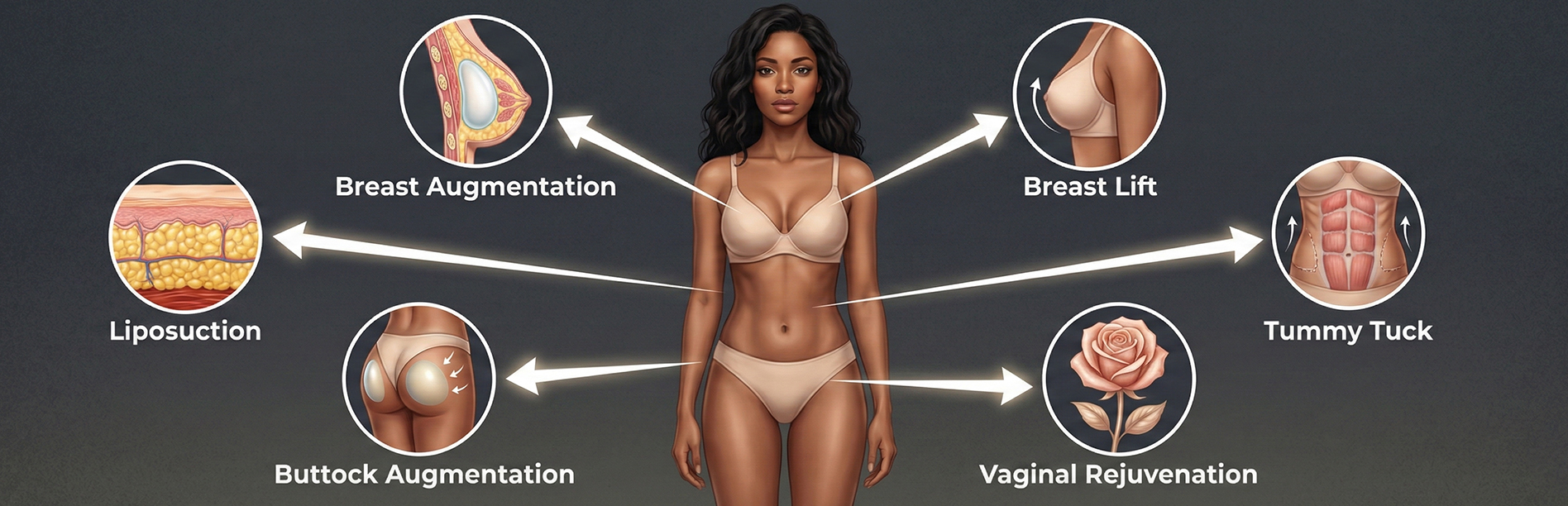
Women consider breast surgery for so many reasons:

  • They want larger breasts.
  • They feel their breasts are too big or heavy.
  • Their breasts sag or feel deflated.
  • Their breasts are uneven or sit too far apart.

And in every single case, they’re just looking to feel more confident and comfortable in their own skin.


First, Are You a Good Candidate?

Breast enhancement surgery isn’t one-size-fits-all. To be a good candidate, you’ll want to make sure:

  1. You’re in good physical health.
  2. You meet the minimum age requirement (22+ for silicone implants).
  3. You understand the risks, the recovery, and have realistic expectations.
  4. You’re ready—financially and emotionally—for the process.


Let’s Talk About Options: Implants vs. Fat Grafting

There are two main ways to enhance the breasts: implants and fat transfer.


Fat Transfer

This method uses your own fat—usually taken from areas like your stomach or thighs—to add volume to the breasts. It’s best if you’re looking for a moderate increase (around one cup size) and want a more natural, subtle result.


Breast Implants

These involve placing a saline or silicone implant either under or over the chest muscle. Silicone feels more like natural tissue and is often preferred if you don’t have much breast tissue to begin with.

Decisions you’ll make with your surgeon include:

  • Implant size and profile
  • Implant type (saline or silicone)
  • Where the implant will sit (under or over the muscle)
  • Where the incision will be placed


Real Patient Story: “I Didn’t Think I Needed a Lift—Until I Saw My Results”

One of our patients, Tia, came in thinking she only needed implants. She had volume loss after breastfeeding but thought “adding size” would fix everything. During her consult, Dr. Curves explained that her nipples were slightly low—meaning a breast lift would give her a much better shape.

She ended up having both a breast augmentation and a lift, and now? She’s confident, proportional, and thrilled with the result. Her only regret? “I wish I’d done this years ago.”


What About Breast Lifts?

A breast lift raises sagging breasts and repositions the nipples if they’ve started to drop. Sometimes a lift is all you need; other times, it’s paired with an implant or fat grafting for shape and fullness.

Types of lifts range from minimal scarring (crescent or peri-areolar) to more extensive lifting (lollipop or anchor lifts), depending on how much your breasts have drooped.

Remember: it’s a trade-off. We’re exchanging looseness for perkiness—and yes, that may mean scars, but also a shape you’ll feel proud of, even without a bra.

Common Misconceptions

Let’s clear a few things up:

Implants don’t last forever

True—they typically last 10–15 years

Bigger is always better

Not necessarily. Overly large implants can cause back pain, rippling, and sagging over time.

Fat transfer is risk-free

 It’s safe, but like any procedure, it has risks, like irregularities or fat not surviving.


What About Recovery?

About 10–14 days off work A surgical bra or compression garment To avoid intense workouts for 4–6 weeks.

We’ll be with you at every step—monitoring healing, answering your questions, and making sure your results are on track.


So, What’s the Next Step?

It all starts with a consultation.

Whether you’re thinking about implants, fat transfer, a lift—or just have questions—we’re here to guide you through it all. You don’t need to have it all figured out yet. We’ll help you decide what works for your body and your goals.

Call us at (678) 205-8400

Click below to book your consultation

Book Appointment


Final Thought

There’s no “perfect breast” — only the one that makes you feel confident, feminine, and free to wear what you love without hesitation. Let’s help you get there. 💖

7 Plastic Surgery Myths Busted

7 Plastic Surgery Myths Busted

Plastic Surgery Myths: 7 Things You Need to Stop Believing

Plastic surgery has evolved over the years. However, some myths remain widespread. Whether it’s fear of looking “fake” or thinking only celebrities can afford it, these myths stop people from achieving the confidence they deserve.

Today, we are clearing up the 7 biggest myths about plastic surgery. As a result, you can make informed and confident decisions about your body.

Myth #1: “Plastic surgery is only for the rich and famous.”

The Truth: Many believe plastic surgery is only for celebrities. However, that is not the case. Financing options, payment plans, and medical credit programs like CareCredit make procedures accessible to everyone.

✅ Thousands of everyday people get plastic surgery every year—not just celebrities!

Myth #2: “Plastic surgery always looks fake.”

The Truth: A skilled surgeon ensures natural-looking results. In fact, the best plastic surgery is so subtle that no one can tell. Choosing an experienced, board-certified surgeon who understands proportion, symmetry, and balance is key.

✅ The best plastic surgery is the kind no one can tell you had.

Myth #3: “Liposuction is a weight loss surgery.”

The Truth: Liposuction targets stubborn fat. However, it is not a weight loss method. It sculpts and contours areas that diet and exercise can’t fix (like love handles, lower belly, and arms).

❌ Liposuction won’t make you lose 50 lbs.

✅ Liposuction will define your shape and enhance your curves.

Myth #4: “Breast implants need to be replaced every 10 years.”

The Truth: As long as your implants are intact and causing no issues, you do not need to replace them. The “10-year rule” is outdated.

✅ Most implants last 15+ years or longer.

Myth #5: “Plastic surgery is only for women.”

The Truth: Many assume plastic surgery is only for women. However, men also undergo cosmetic procedures to enhance their features. In fact, male procedures like gynecomastia surgery (chest contouring), jawline enhancement, and liposuction are becoming increasingly popular.

Confidence isn’t just for women—it’s for everyone.

Myth #6: “Plastic surgery is dangerous.”

The Truth: Every surgery comes with risks. However, choosing a board-certified plastic surgeon in an accredited facility ensures greater safety and better results.

❌ Most surgery horror stories come from unqualified doctors.

✅ Always choose a board-certified surgeon for safety & results.

Myth #7: “You can’t breastfeed after a breast augmentation.”

The Truth: Many believe that breast implants prevent breastfeeding. However, most women can still breastfeed depending on the surgical technique and incision placement.

Ready to Take The First Step? Let’s Talk.

Plastic surgery isn’t about “fixing” yourself—it’s about feeling confident and comfortable in your own skin. Now that you know the facts, let’s create a plan that works for YOU.

Click Here OR 📞 Call (678) 205-8400 to book a consultation today!

Trimming the Waistline: Tummy Tuck vs Liposuction Debate

Trimming the Waistline: Tummy Tuck vs Liposuction Debate

Trimming the Waistline: Tummy Tuck vs Liposuction Debate


Introduction


Body image and self-confidence

Our bodies play a vital role in self-perception and how others perceive us. Feeling confident in our own skin goes beyond aesthetic appeal; it impacts various aspects of life, such as social interactions, career growth, and overall well-being. However, what can be done when traditional methods like diet and exercise fall short in achieving the desired body image? When stubborn abdominal fat becomes an obstacle, negatively affecting self-confidence and happiness? Find out how to tackle this common issue and boost your body image.


The tummy tuck and liposuction solution

If you find yourself in this situation, you may have considered cosmetic procedures like a tummy tuck or liposuction. But how do you decide which one is right for you? This blog will provide an in-depth comparison of these two procedures, examining their differences in terms of the procedure type, cost, and recovery time.


Procedure Type


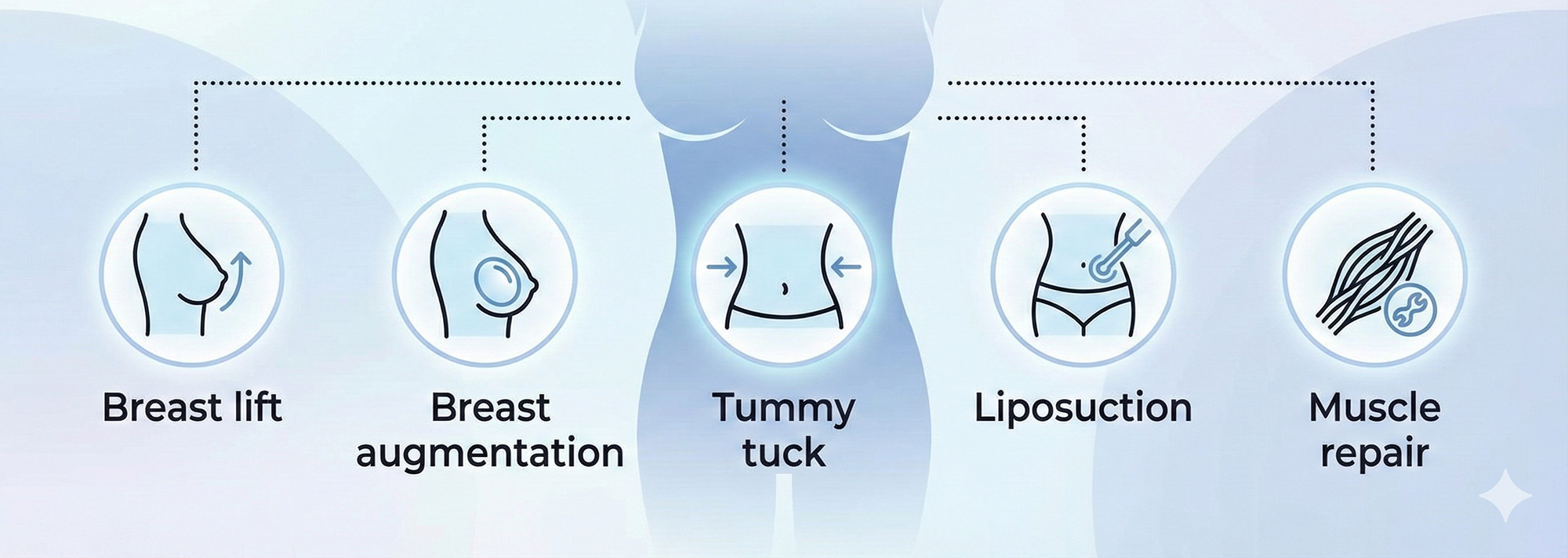
What is a Tummy Tuck?

A tummy tuck, medically known as abdominoplasty, is a surgical procedure that aims to make the abdomen flatter and firmer. It involves removing excess skin and fat from the abdominal area and tightening the abdominal muscles. This procedure is often recommended for those who have undergone significant weight loss or pregnancy and are left with sagging skin and loose muscles.

How is a Tummy Tuck Performed?

During a tummy tuck, the surgeon makes a horizontal incision across the lower abdomen, just above the pubic area. The surgeon then removes excess skin and fat and tightens the abdominal muscles. The remaining skin is pulled down, and the incision is closed.

What is Liposuction?

Liposuction, on the other hand, is a minimally invasive procedure aimed at removing excess fat deposits in specific areas of the body, such as the abdomen, thighs, arms, and buttocks. Liposuction can be a suitable choice for individuals who have localized fat deposits that are resistant to diet and exercise.

How is Liposuction Performed?

During liposuction, small, inconspicuous incisions are made in the skin. A thin tube called a cannula is then inserted into the fat layer beneath the skin. The cannula is moved back and forth to break up the fat cells, which are then suctioned out of the body.


Cost


Cost of a Tummy Tuck

The cost of a tummy tuck can vary greatly depending on a number of factors, including the extent of the surgery, the surgeon’s experience, and geographic location. However, on average, tummy tucks tend to be more expensive than liposuction due to their complexity and the extent of surgery involved.

Cost of Liposuction

Liposuction costs can also vary, but they generally tend to be less than the cost of a tummy tuck. Factors such as the number of treatment areas, the amount of fat removed, and the surgeon’s experience will influence the total cost.


Recovery Time


Recovery from a Tummy Tuck

Recovery from a tummy tuck can be extensive. Patients usually require at least one to two weeks of downtime before returning to work or other normal activities. The healing process may also involve pain, swelling, and temporary changes in sensation around the surgical area.

Recovery from Liposuction

Recovery from liposuction is typically quicker than that from a tummy tuck. Patients can often return to work within a few days and resume normal physical activities within two weeks. However, like any surgical procedure, individual recovery times can vary.


Conclusion

Choosing between a tummy tuck and liposuction isn’t easy, and it shouldn’t be taken lightly. Both procedures have their benefits and drawbacks, and what works for one person may not work for another. It’s crucial to consider factors such as procedure type, cost, recovery time, and potential risks and complications. Consult with a reputable and experienced surgeon who can guide you in making the right decision.

And remember, your decision to undergo a cosmetic procedure should be about making you feel better about yourself and boosting your confidence. Don’t rush your decision. Take your time, do your research, ask questions, and make an informed choice.


FAQs

  1. Can I have both a tummy tuck and liposuction at the same time?

Yes, in some cases, a surgeon may recommend a combination of both procedures to achieve the best results.

  1. Are the results of tummy tucks and liposuction permanent?

While both procedures can provide long-lasting results, maintaining a stable weight through healthy eating and regular exercise can help ensure these results are permanent.

  1. Are these procedures a solution for weight loss?

No, both tummy tucks and liposuction are not weight loss solutions. They are meant to contour and shape your body, removing excess fat and skin that have not responded to diet and exercise.

  1. Are there any non-surgical alternatives to these procedures?

Yes, there are non-surgical alternatives such as CoolSculpting and SculpSure. However, they may not provide the same degree of change as surgical procedures.

  1. How do I choose a good cosmetic surgeon?

Research the surgeon’s qualifications, experience, and patient reviews. Make sure they are board-certified and have experience in the procedure you’re considering. Also, a good surgeon should make you feel comfortable and answer all your questions.