Select Page
Why IV Hydration Matters Before and After Plastic Surgery

Why IV Hydration Matters Before and After Plastic Surgery

Why Most Patients Miss This Critical Step Before Plastic Surgery

You can choose the best surgeon. You can plan your procedure perfectly. But if your body is not properly prepared, your recovery may not be. One of the most overlooked factors in surgical preparation and recovery is hydration.

Plastic surgery is not just about what happens in the operating room. Your results are directly influenced by how well your body is supported before and after surgery. IV Hydration Therapy can play a major role in helping patients prepare for surgery and recover more efficiently.

What Is IV Hydration Therapy?

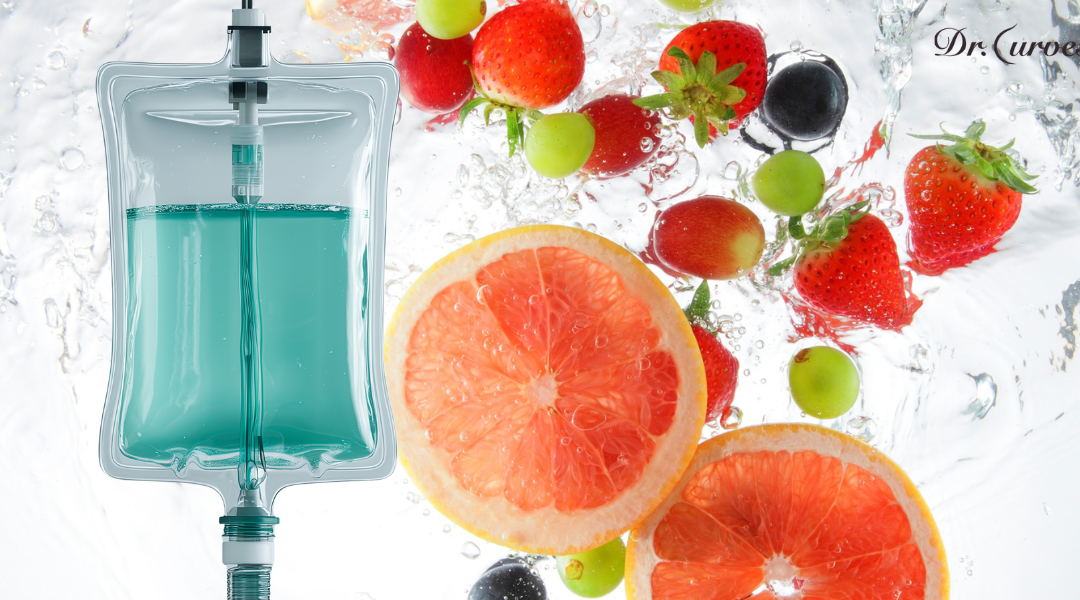
IV Hydration Therapy involves delivering fluids, electrolytes, vitamins, and essential nutrients directly into your bloodstream. Unlike drinking water or taking supplements, this method bypasses the digestive system for immediate absorption, 100% bioavailability, and faster results.

This is why IV therapy has become widely used in both medical and wellness settings, especially for patients preparing for surgery.

Why Hydration Matters More Than You Think

During surgery and recovery, your body is under stress. It needs proper support to repair tissue, reduce inflammation, restore energy, and support immune function. All of this depends on hydration and nutrient levels.

When your body is depleted, you may experience:

  • Increased fatigue
  • Slower healing
  • Prolonged recovery

Proper hydration helps optimize circulation, oxygen delivery, and tissue repair, all of which contribute to better surgical outcomes.

Pre-Operative IV Hydration: Preparing Your Body for Surgery

Why Pre-Op Preparation Matters

Going into surgery in a depleted state can make recovery more difficult. Pre-operative IV hydration helps improve hydration levels, replenish essential electrolytes, strengthen the immune system, and prepare the body for surgical stress.

PRECurves (1–2 Weeks Before Surgery)

This treatment is designed for early preparation and offers:

  • Deep cellular hydration
  • Electrolyte replenishment
  • Immune support

It is ideal for patients who want to optimize their condition before surgery and support their body ahead of time.

PRECurves (1–3 Days Before Surgery)

This treatment focuses on final preparation before your procedure and includes a blend of:

  • Magnesium
  • Amino acids
  • Vitamins
  • Antioxidants

Benefits include enhanced surgical readiness, improved nutrient levels, and better overall preparation. This step helps ensure your body is in peak condition going into surgery.

Post-Operative IV Hydration: Supporting Your Recovery

The Most Important Phase

After surgery, your body shifts into recovery mode. This is when it needs increased hydration, nutrient support, and energy restoration. Without proper support, patients may experience slower healing, increased fatigue, and prolonged discomfort.

POSTCurves: Designed for Recovery

PostCurves is specifically formulated to support healing after surgery. It includes nutrients such as:

  • Magnesium
  • Vitamin C
  • B-Complex vitamins
  • Glutathione
  • Amino acids

Benefits include support for wound healing, reduced fatigue, and an improved recovery experience. This treatment is ideal for patients who want to recover more efficiently and feel better sooner.

Additional IV Options to Support Recovery

Depending on your needs, additional IV therapies may be recommended:

  • Energy Booster: Helps restore energy levels and supports mental and physical recovery
  • Immunity Booster: Strengthens immune defenses and helps protect against illness during recovery
  • Beauty Boost: Supports skin health and promotes collagen production

These treatments can complement your surgical recovery and enhance your overall results.

How IV Hydration Therapy Works

IV therapy works by delivering nutrients directly into your bloodstream through a small catheter. This allows for immediate hydration, rapid nutrient absorption, and quick relief from fatigue and dehydration.

Sessions typically last between 30 to 60 minutes and are performed in a comfortable setting.

Is IV Hydration Safe?

IV hydration is safe when administered by trained medical professionals. At Dr. Curves MedSpa, treatments are performed by qualified healthcare providers using sterile techniques, and patients are monitored throughout the process.

Who Should Use Caution

Patients with the following conditions may require evaluation before treatment:

  • Kidney disease
  • Heart conditions
  • Known allergies to IV components

A proper assessment helps ensure safe and effective treatment.

Who Should Consider IV Hydration for Surgery?

IV hydration may be especially beneficial if you:

  • Are undergoing procedures such as BBL, tummy tuck, or breast surgery
  • Want to improve your recovery experience
  • Have experienced slow healing in the past
  • Want to optimize your surgical results

What to Expect During Your IV Session

  • Duration: 30–60 minutes
  • Minimal discomfort
  • Relaxed, monitored environment

Most patients report increased hydration, improved energy, and better overall well-being.

Why This Matters for Your Results

Your surgery is only one part of the process. Your preparation and recovery determine how smoothly that process goes. Patients who properly support their body often experience faster recovery, improved healing, and a better overall experience.

Your Next Step

If you are planning surgery, one of the best things you can do is prepare your body the right way. A personalized plan can help optimize your pre-operative condition, support your recovery, and improve your overall results.
Book Your Consultation

How Soon Can You Go Back to Work After Plastic Surgery? (What Most People Get Wrong)

How Soon Can You Go Back to Work After Plastic Surgery? (What Most People Get Wrong)

How Soon Can You Go Back to Work After Plastic Surgery? (What Most People Get Wrong)

One of the first questions patients ask isn’t about results—it’s about time.

In my experience, most people aren’t afraid of surgery itself. They’re worried about disrupting their routine, their income, or having to explain their absence.

What surprises many patients is that recovery timelines are often misunderstood—not because they’re too long, but because they’re too simplified online.

Recovery Isn’t One Timeline

There is no single answer to when you can return to work.

It depends on the procedure, your job type, your healing response, and how well you follow recovery instructions.

What ā€œReturning to Workā€ Actually Means

There’s a difference between feeling better, being functional, and being fully healed.

Returning too early can affect recovery and results.

General Recovery Guidelines

Desk jobs: 5–10 days
Moderately active jobs: 2–3 weeks
Physically demanding jobs: 3–6+ weeks

The Biggest Mistake Patients Make

Rushing back too soon can increase swelling and delay healing.

Planning Your Time Off Properly

Take slightly more time off than you think you need and ease back into your routine.

The Psychological Pressure to Bounce Back

Recovery takes time—physically and mentally. Giving yourself space improves outcomes.

When You’re Actually Ready

You’re ready when you can move comfortably, manage pain, maintain recovery habits, and have surgeon clearance.

FAQ

  1. Can I work from home sooner? Yes, light remote work is often possible earlier.
  2. What if I feel fine quickly? You may not be fully healed—be cautious.
  3. Do I need to tell my workplace? That’s personal, but planning ahead is key.
  4. What if I go back too early? It can slow recovery and increase swelling.
  5. Is it better to take extra time off? Yes, it reduces stress and supports healing.

How Much Pain Is Normal After Plastic Surgery? What Patients Are Often Surprised By

How Much Pain Is Normal After Plastic Surgery? What Patients Are Often Surprised By

How Much Pain Is Normal After Plastic Surgery? What Patients Are Often Surprised By

Pain is one of the most common concerns patients have before surgery—and one of the most misunderstood.

In my experience, most patients don’t regret the procedure itself. What surprises them is how the discomfort actually feels, how long it lasts, and how different it is from what they expected.

The truth is, ā€œpainā€ after plastic surgery is rarely what people imagine.

What Does Post-Surgery Pain Really Feel Like?

Most patients expect sharp, intense pain.

In reality, it’s usually soreness, tightness, pressure, or fatigue in the treated area.

For example:

– Liposuction often feels like deep bruising or muscle soreness
– Breast surgery can feel like chest tightness or heaviness
– A BBL typically involves soreness in multiple areas

Severe, sharp pain is actually uncommon—and when it happens, it’s something we pay close attention to.

The First 72 Hours: What to Expect

This is when discomfort is most noticeable.

You may experience swelling, stiffness, limited mobility, and a tight or stretched feeling.

Most patients are surprised that the pain is manageable with proper medication and support.

In my experience, the first 2–3 days are more about adjustment than unbearable pain.

Why Some Patients Feel More Discomfort Than Others

Pain tolerance plays a role—but it’s not the only factor.

Other important factors include the type of procedure, how extensive it is, your body’s response, and how well you follow recovery instructions.

Patients who stay ahead of pain almost always have a smoother experience.

The Biggest Misconception About Pain

Many patients assume that if they’re in pain, something must be wrong.

That’s not true. Some discomfort is a normal part of healing.

What matters is how the pain behaves over time.

When Does It Start to Feel Better?

Most patients notice improvement within the first week, with significant progress by week two and near-normal activity by weeks three to four.

What Actually Makes Recovery Easier

Take medications on schedule, follow movement guidelines, stay hydrated, wear compression garments, and avoid overexertion.

Recovery is about managing pain intelligently—not pushing through it.

The Psychological Side of Pain

Fear amplifies discomfort. Clear expectations make recovery feel more manageable.

FAQ

  1. Is plastic surgery very painful? Most procedures involve moderate discomfort rather than severe pain.
  2. How long does pain usually last? The first 3–5 days are most noticeable, with improvement after.
  3. Will I need strong pain medication? Usually for the first few days, then less.
  4. What kind of pain is not normal? Sharp, worsening pain or pain with fever should be checked.
  5. Can I recover with minimal pain? Yes, with proper planning and care.

ā€œShe Needed Thisā€ — What People Get Wrong About Plastic Surgery Decisions

ā€œShe Needed Thisā€ — What People Get Wrong About Plastic Surgery Decisions

ā€œShe Needed Thisā€ — What People Get Wrong About Plastic Surgery Decisions

You’ve probably seen it before.

Someone posts a result, and the comments start. ā€œShe didn’t need that.ā€ ā€œShe should’ve done something else.ā€ ā€œShe went too far.ā€ ā€œShe should’ve just worked out.ā€

The issue is not that people have opinions. The issue is that those opinions are usually based on what is visible, not what is actually going on.

What People See vs. What Patients Feel

Most people judge results from photos or short videos. What they do not see is the full picture. They do not see years of discomfort, changes after pregnancy, long-term frustration, difficulty with clothing, or the mental and physical burden that led someone to consider surgery in the first place.

In my experience, this is where the biggest disconnect happens. People evaluate from the outside. Patients live it from the inside. Those are not the same perspective, and they rarely lead to the same conclusion.

ā€œShe Didn’t Need Thatā€ Is Usually an Incomplete Statement

When someone says, ā€œShe didn’t need that,ā€ what they usually mean is, ā€œI would not have chosen that.ā€ That is a completely different statement.

What patients may actually be dealing with is often much more complex. It may involve asymmetry, discomfort with movement, changes after weight loss, changes after childbirth, or a result that does not fit the rest of their body the way people assume it does from a single angle.

A comment section usually reacts to appearance. A proper surgical evaluation looks at anatomy, goals, limitations, health history, and what is realistically achievable.

The Problem With Assumptions

One of the biggest mistakes people make is assuming they understand the full situation with very little information. They do not know what the patient was told in consultation. They do not know what the patient was trying to correct. They do not know what the patient had already gone through before making that decision.

That matters, because surgery should never be judged accurately without context. A before-and-after photo can show a change. It cannot explain the full reason behind it.

Not Every Procedure Is About Doing More

Another common misunderstanding is that plastic surgery is always about making something bigger, more dramatic, or more attention-grabbing. In reality, many procedures are about correcting imbalance, restoring proportion, improving comfort, or addressing a concern that has affected someone for years.

Sometimes the goal is not ā€œmore.ā€ Sometimes the goal is balance. Sometimes it is relief. Sometimes it is getting back to a shape that feels more normal for that patient’s body.

What Patients Actually Care About

Most patients are not making decisions based on what strangers online might say. They are thinking about how they feel in their clothes, how their body moves, whether they feel proportionate, and whether a procedure may solve a problem that has been bothering them for a long time.

The goal is not to satisfy public opinion. The goal is to make a sound decision based on the patient’s body, concerns, and priorities.

Final Thoughts

Plastic surgery decisions are personal. They should be based on informed medical guidance, realistic goals, and the patient’s actual situation, not assumptions made from a photo or a comment.

What someone ā€œneededā€ cannot be determined by people who do not know the full story. That decision is made through proper evaluation, honest discussion, and a plan that makes sense for the individual patient.

If you are thinking about a procedure, the most useful opinion is not the loudest one. It is the informed one.

Frequently Asked Questions

  1. How do I know if I actually need a procedure?

    A proper consultation is the only way to determine that based on your anatomy, concerns, and goals.

  2. Are online opinions reliable when it comes to surgery?

    No. They are usually based on limited information and do not reflect a real medical evaluation.

  3. Is plastic surgery always about appearance only?

    No. Some procedures are also about comfort, proportion, symmetry, or correcting a problem that affects daily life.

  4. Why do people judge plastic surgery results so quickly?

    Because they are reacting to visuals without understanding the full context behind the decision.

  5. Should I base my decision on what others think?

    No. Your decision should be based on your own concerns, goals, and qualified medical guidance.

When Can You Start Exercising After Plastic Surgery?

When Can You Start Exercising After Plastic Surgery?

When Can You Start Exercising After Plastic Surgery?

Patients almost always ask this at some point—usually sooner than they should: ā€œWhen can I work out again?ā€

It’s a fair question. Movement feels like progress. Exercise feels like control. But after plastic surgery, timing matters more than motivation.

Starting too early is one of the fastest ways to slow your recovery—or compromise your results.

Why Exercise Timing Matters More Than You Think

Plastic surgery isn’t just skin-level.

Even when everything looks healed on the outside, your body is still repairing deeper tissues underneath. Muscles, fat layers, and internal structures all need time to stabilize.

Exercising too soon can increase swelling, disrupt internal healing, lead to fluid buildup such as seromas, and affect your final shape and contour.

This is why your surgeon doesn’t clear you based on how you feel—they clear you based on how your body is actually healing.

The General Recovery Timeline (With Context)

Every patient heals differently, but here’s a realistic guideline:

Week 1–2

Rest is the priority. Short, light walks only to support circulation.

Week 2–4

You can move more, but still no workouts. Your body is actively healing.

Week 4–6

Light, low-impact activity may be introduced gradually.

After 6 Weeks

A slow return to regular workouts may be appropriate, depending on your procedure and your progress.

Procedures like BBL, tummy tuck, and breast surgery often require stricter timelines and more caution.

The Biggest Mistake Patients Make

They assume they’re ready because they feel better.

Less pain does not mean fully healed.

Most of the healing that matters is happening beneath the surface—and you can’t see it.

What You Should Be Watching Instead

Instead of relying on how you feel, pay attention to swelling continuing to go down, incisions healing properly, no signs of fluid buildup, and clearance from your surgeon.

These are the real indicators that your body is ready.

A Smarter Approach to Getting Back

The best results come from patience.

Start slower than you think you need to. Avoid ā€œtestingā€ your body too early. Increase intensity gradually over time.

Remember: you’re not losing progress—you’re protecting your outcome.

FAQ

  1. Can I do cardio after 2 weeks? Light walking is usually fine, but structured cardio is typically introduced later depending on healing.
  2. When can I lift weights again? Most patients wait at least 4–6 weeks, sometimes longer depending on the procedure.
  3. What happens if I exercise too soon? You risk swelling, complications, delayed healing, and potentially affecting your final results.
  4. Does the type of surgery change the timeline? Yes. Procedures like tummy tuck and BBL often require more restrictions than smaller procedures.
  5. How do I know I’m ready? Your surgeon’s clearance is the most reliable indicator—not how you feel.

Final Thought

It’s normal to want to get back to your routine quickly. But after surgery, the goal isn’t speed—it’s healing the right way.

Give your body the time it needs now, so you can enjoy your results long-term.

How to Know If You’re Actually a Good Candidate for Plastic Surgery

How to Know If You’re Actually a Good Candidate for Plastic Surgery

How to Know If You’re Actually a Good Candidate for Plastic Surgery

Most people think if they want a procedure, they’re a candidate for it. That’s not how this works.

In my experience, the best results come from patients who are actually a good fit for the procedure—physically, mentally, and realistically.

It’s Not Just About Wanting It

Candidacy comes down to safety, whether the procedure makes sense for your body, and whether it can realistically achieve your goals.

Physical Candidacy Matters

Not every procedure works for every body. Requirements like tissue availability, skin quality, and overall health play a major role.

Your Expectations Have to Be Realistic

Expectations based on edited images or different body types often lead to disappointment, even when surgery is done well.

Timing Can Affect Your Results

Weight changes, pregnancy, or unstable health can impact your outcome. Timing matters more than most people think.

Final Thoughts

The goal is not just to have surgery. It’s to have the right surgery, at the right time, for the right reasons.

Frequently Asked Questions

  1. How do I know if I qualify for plastic surgery?

    A consultation is needed to evaluate your health, anatomy, and goals.

  2. Can I still have surgery if I’m not at my goal weight?

    Stable weight usually leads to better and more predictable results.

  3. What if I don’t qualify right now?

    It often means not yet, not never.

  4. Can I choose any result I want?

    No. Results must align with your anatomy and what is safely achievable.

  5. What matters more—wanting it or being a good candidate?

    Being a good candidate always comes first.