Fat Grafting vs Implants – Know your options
Fat Grafting vs Implants: Which Option Is Actually Right for You?
If you’re thinking about enhancing your shape, you’ve probably come across two main options: fat grafting and implants.
And naturally, the question becomes — which one is better?
The honest answer is that neither is better across the board.
They’re completely different approaches designed for different goals, body types, and expectations.
What matters is understanding what each option can realistically do for you — and where patients tend to get this wrong.
The biggest misconception: they give the same kind of results
This is where most confusion starts.
Patients often assume fat grafting is just a more natural version of implants, or that implants are simply a more dramatic version of fat grafting.
But that’s not how it works.
These procedures create very different outcomes — not just in size, but in shape, feel, longevity, and limitations.
What fat grafting actually does and where patients misunderstand it
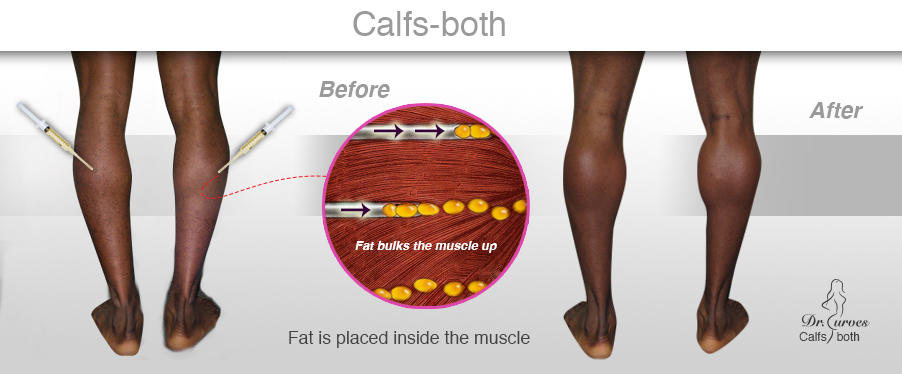
Fat grafting uses your own fat, usually taken from areas like the abdomen, flanks, or back, and transfers it to another area such as the buttocks or breasts.
This option is often appealing because it uses your own tissue and can create a softer, more natural-looking result.
What fat grafting does well
- Creates softer, more natural-looking enhancement
- Improves contour in multiple areas
- Enhances your existing shape rather than forcing a dramatic change
Where patients get it wrong
- Expecting dramatic volume without enough fat available
- Assuming all transferred fat will survive
- Believing it can completely reshape the body no matter the starting point
In reality, fat grafting works best when you have enough fat available, want enhancement rather than extreme change, and understand that some of the transferred fat will naturally be reabsorbed.
What implants actually do and how they differ
Implants are designed to add volume directly, without depending on your body’s fat supply.
For some patients, that makes them the more practical choice.
What implants do well
- Provide more predictable volume
- Create more noticeable or structured changes
- Work for patients who do not have enough fat for transfer
Where patients get it wrong
- Expecting them to feel completely natural
- Not understanding long-term maintenance
- Choosing size based on appearance alone instead of proportion
Implants are often the better option when you want a more defined increase in size or do not have enough fat for grafting.
How to decide between fat grafting and implants
In practice, the choice usually comes down to three things: your body, your goals, and your expectations.
1. Your body type
Do you have enough fat available for transfer? How your body stores fat matters more than many patients realize.
2. Your goals
If you want subtle, natural enhancement, fat grafting may be the better fit. If you want more volume and projection, implants may make more sense.
3. Your expectations
Fat grafting comes with some variability because not all transferred fat survives. Implants tend to offer more predictable volume, but they come with long-term considerations of their own.
What most patients do not think about
This is where real decision-making happens.
Fat grafting depends on your body. Not all of the fat survives, and results can vary.
Implants are a long-term commitment. They may require monitoring and, in some cases, replacement over time.
In some situations, a combination approach may be considered to balance structure and softness — but that depends entirely on the individual.
So which option is actually right for you?
There is no universal answer.
The right choice depends on your anatomy, your goals, and what kind of result actually makes sense for your body.
What matters most is having a clear, honest evaluation before making that decision.
Final thoughts
Both fat grafting and implants can deliver strong results when used in the right situation.
Problems usually happen when the wrong procedure is chosen, expectations do not match reality, or decisions are made based on trends instead of what actually fits your body.
The goal is not just enhancement. It is choosing the option that makes sense for your body, your goals, and your long-term result.
Frequently Asked Questions
Is fat grafting safer than implants?
They are different procedures with different considerations. The better option depends on your anatomy, medical history, and goals.
Does fat grafting look more natural than implants?
In many cases, fat grafting can create a softer and more natural-looking result, but it also depends on how much fat is available and what kind of enhancement you want.
Are implants better if I do not have enough fat?
Often, yes. If you do not have enough fat for transfer, implants may be the more practical way to achieve your desired volume.
Can fat grafting and implants be combined?
In some cases, a combination approach may be appropriate. That depends on your goals, your anatomy, and what your surgeon believes will produce the best outcome.
How do I know which option is right for me?
The best way to know is through a proper evaluation that takes your body type, available fat, goals, and expectations into account.